
Ultimate Guide for Attending Trade Events in Tokyo Big Sight
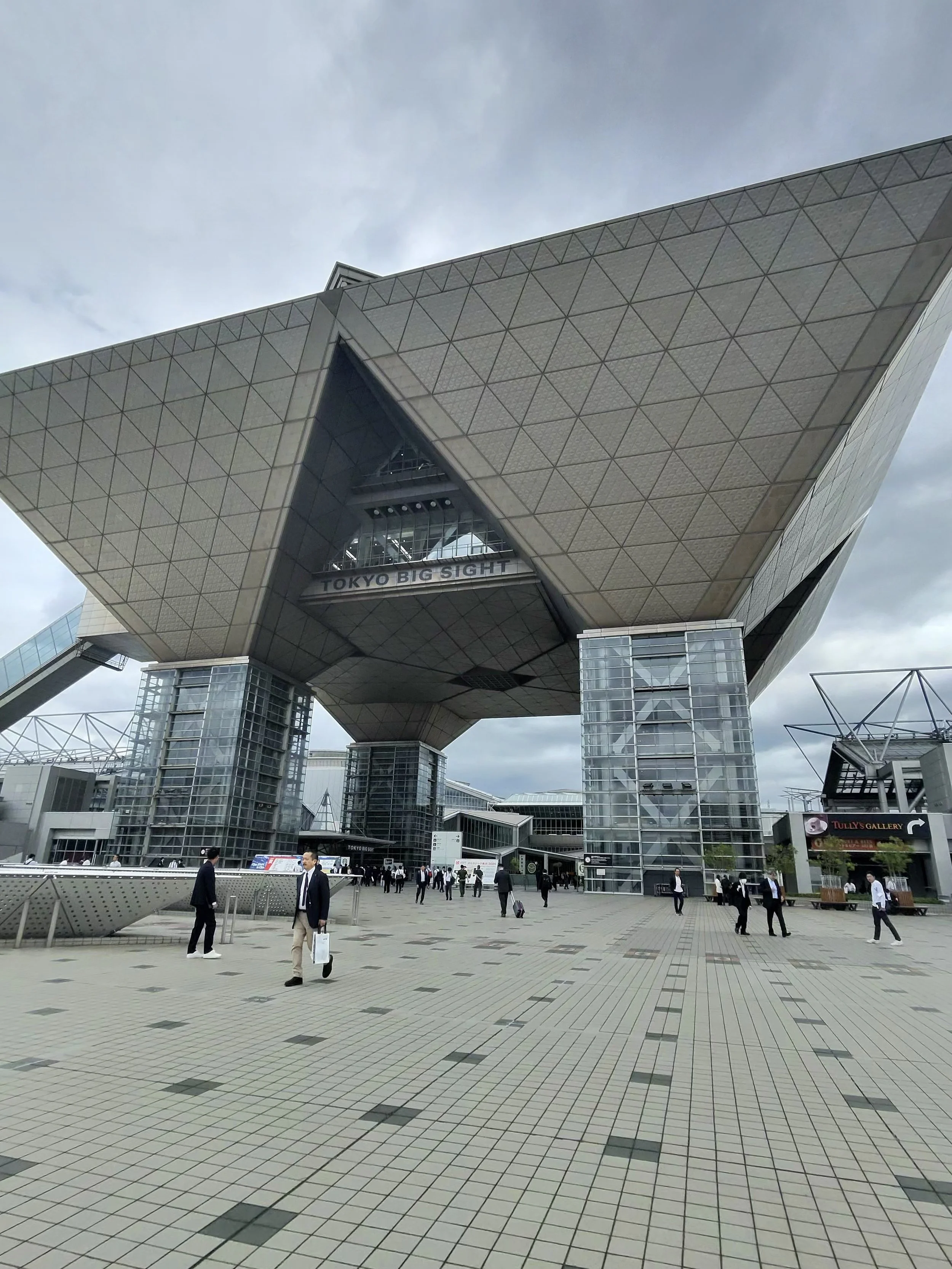
Tokyo Big Sight is Japan's largest convention and exhibition center and one of the country's leading venues for trade shows, conferences, and industry events. According to Tokyo Big Sight, the venue hosts approximately 300 events annually and welcomes around 14 million visitors from Japan and around the world. The facility features 16 exhibition halls and more than 20 conference rooms, making it one of the largest event venues in the country.
Some of Japan's most well-known exhibitions and conferences are held at Tokyo Big Sight, including FOOMA Japan, Japan IT Week,COMNEXT, Design Tokyo, Tokyo Auto Salon, and the Japan Mobility Show. These events attract professionals from industries ranging from manufacturing and technology to automotive, design, food production, and international business. If it's your first time attending an event at Tokyo Big Sight, especially as an international visitor, there are a few things worth knowing before you go. The venue is massive, nearby train stations can become crowded during major events, and navigating the exhibition halls may take longer than expected. A little preparation beforehand can make your visit much smoother and help you get the most out of your day.
Getting to Tokyo Big Sight
Tokyo Big Sight is located in Ariake in Tokyo's waterfront district and is easily accessible by public transportation. However, getting to the station is only part of the journey. Depending on which station you arrive at, you'll still need to follow signs and walk several minutes to the venue.
Nearest Train Stations
Tokyo Big Sight Station
Line: Yurikamome Line
Walk to Venue: Approximately 3 minutes
Tokyo Big Sight Station is the closest station to the venue. After exiting the station, follow signs for Tokyo Big Sight and the exhibition halls. The venue is visible from the station and can be reached via the pedestrian walkways.
Kokusai-Tenjijo Station
Line:Rinkai Line
Walk to Venue: Approximately 7 minutes
After exiting Kokusai-Tenjijo Station, follow signs for Tokyo Big Sight and walk toward the Ariake waterfront area. The route is well marked and commonly used by conference and exhibition attendees.
Sample Routes from Popular Areas
From Shibuya Station
Take the Rinkai Line directly to Kokusai-Tenjijo Station.
Travel time: approximately 25–30 minutes.
From Shinjuku Station
Take the JR Saikyo Line, which continues onto the Rinkai Line, to Kokusai-Tenjijo Station.
Travel time: approximately 30–35 minutes.
From Ginza Station
Take the Tokyo Metro Yurakucho Line to Toyosu Station, then transfer to the Yurikamome Line and exit at Tokyo Big Sight Station.
Travel time: approximately 25–30 minutes.
Travel times may vary depending on transfers and time of day. For the most up-to-date directions, use Google Maps before departing.
My biggest recommendation is to leave earlier than you think you need to. Tokyo's train stations can be large and busy, especially during major events. Allowing extra time for transfers, finding the correct platform, and navigating station exits can make the start of your day much less stressful.
The good news is that once you get close, Tokyo Big Sight is hard to miss. Its unique architecture makes it one of Tokyo's most recognizable buildings and an easy landmark to spot as you approach the venue.
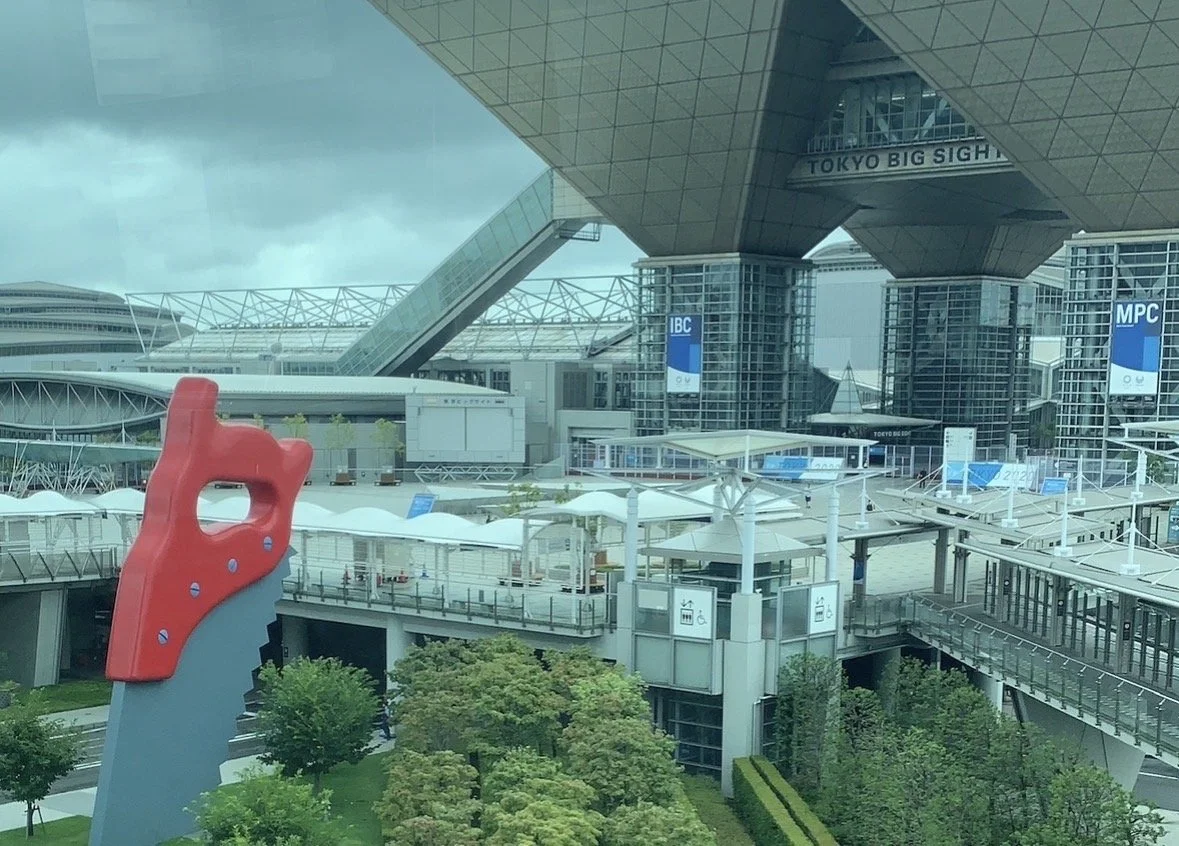
Tokyo Big Sight is best known for its iconic inverted pyramid conference tower, a distinctive architectural feature that has made it one of Tokyo's most recognizable landmarks. Visitors can also spot the large red saw-shaped sculpture located in the plaza outside the venue, which has become a recognizable feature of the Tokyo Big Sight grounds.
Bus and Group Transportation
If you're attending a trade show as part of a tour group, company delegation, incentive trip, or corporate event, transportation logistics can quickly become complicated, especially for larger groups arriving from different locations across Tokyo. Tokyo Big Sight has designated areas for charter buses and private vehicle drop-offs, making it easier for groups to arrive and depart efficiently.
For organizations looking to simplify transportation planning, Japan Corporate Travel can coordinate charter bus services, group transfers, and event transportation solutions for conferences, exhibitions, and corporate gatherings throughout Japan. Before your event, it's still a good idea to confirm the exact pickup and drop-off location with your organizer, as access points may vary depending on the event.
Learn more about group transportation and event logistics through Japan Corporate Travel.
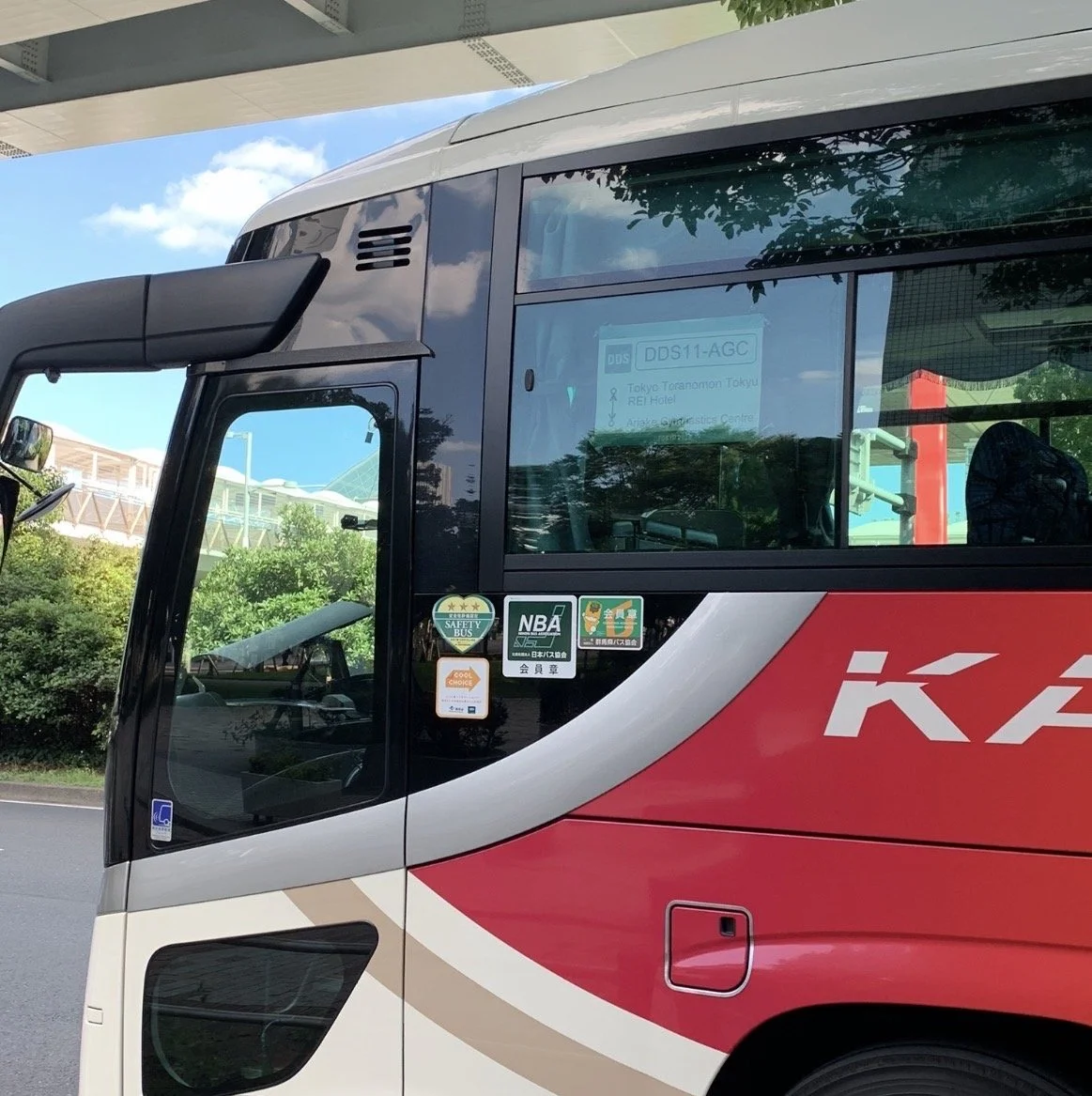
Charter buses and group transportation services use designated pickup and drop-off areas around Tokyo Big Sight.
Registration and Entry
Before heading to Tokyo Big Sight, it's worth checking whether your event requires advance registration. Many trade shows, including FOOMA Japan, ask attendees to register online before arriving. Having your registration confirmation, QR code, or event ticket ready on your phone can help speed up the process once you get there. After entering the venue, visitors are usually directed toward registration and badge pickup areas before accessing the exhibition halls. Depending on the size of the event and the time you arrive, there may be lines during the morning rush when attendees are first arriving. One thing that helps is arriving a little earlier than your scheduled activities. This gives you time to check in, collect any necessary materials, review the venue map, and figure out where your first destination is located without feeling rushed. The entrance areas can also be useful for gathering information. Event signage, schedules, and staff members are often located nearby and can help answer questions before you head onto the exhibition floor.
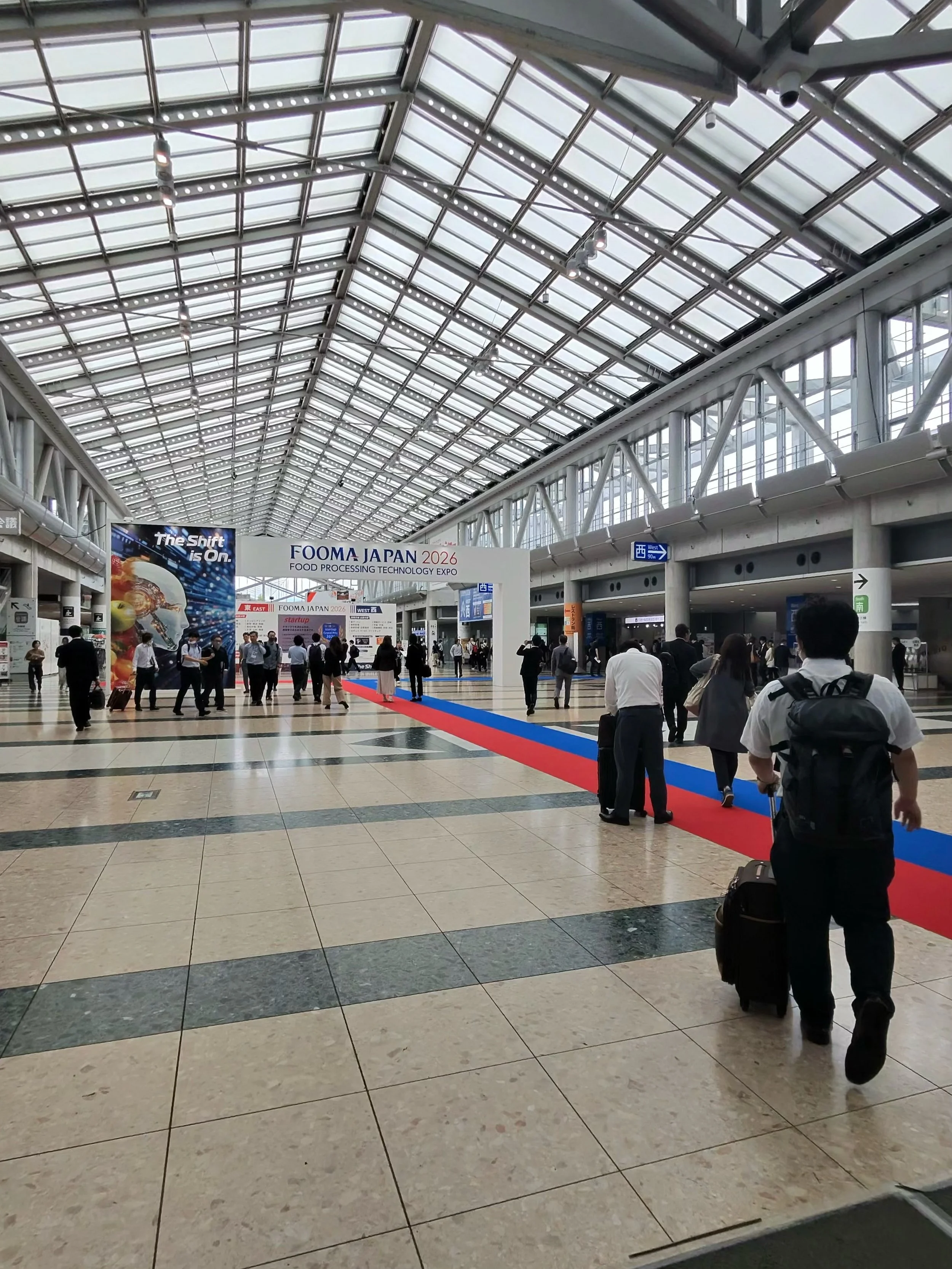
Visitors entering FOOMA Japan at Tokyo Big Sight. Large events typically provide clear signage directing attendees to registration, badge pickup, and exhibition halls.
Understanding the Venue Layout
The first thing you'll probably notice about Tokyo Big Sight is how large the venue is. The convention center is divided into several major areas, with the East Exhibition Halls and West Exhibition Halls serving as the primary event spaces. Depending on the event, attendees may need to move between these areas throughout the day, which can involve a considerable amount of walking.
The East Halls are typically used for larger trade shows and exhibitions and contain multiple connected exhibition spaces. The West Halls are located closer to the iconic Conference Tower and often host exhibitions, conferences, seminars, and event registration areas. Some events may also use additional meeting rooms and conference facilities located throughout the venue.
One of the most useful things you can do after arriving is stop and review one of the venue maps. Knowing whether your event is located in the East or West Halls can save time and help you navigate the venue more efficiently.
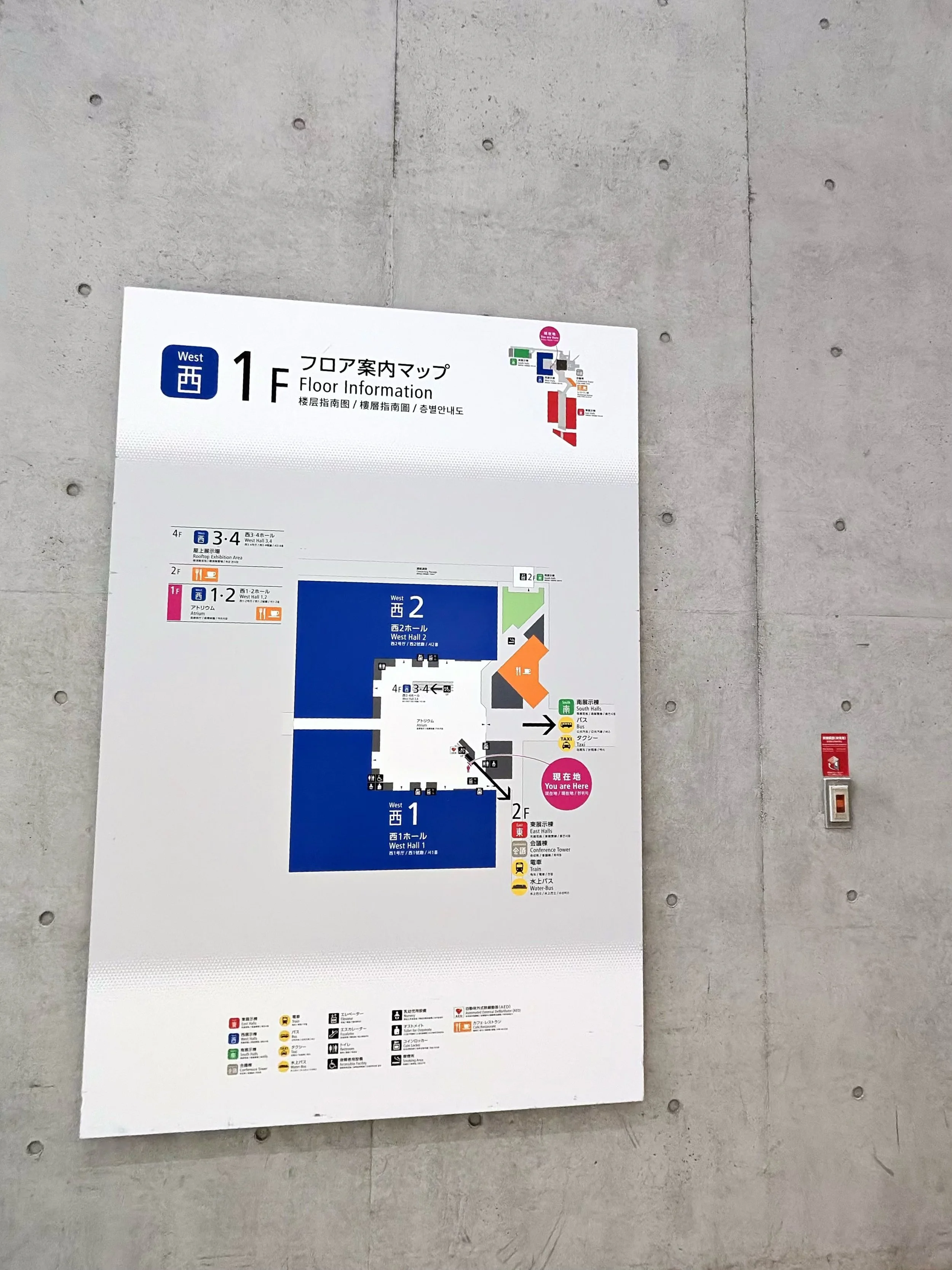
Floor maps located throughout Tokyo Big Sight help visitors navigate between the East and West Exhibition Halls, conference rooms, and meeting facilities.
These maps show exhibition halls, restaurants, transportation access points, restrooms, and other services located throughout the building. Taking a few minutes to review the map can save a surprising amount of time later.
The venue also has escalators and elevators throughout the facility, making it easier for visitors carrying bags, equipment, or promotional materials to move between floors.
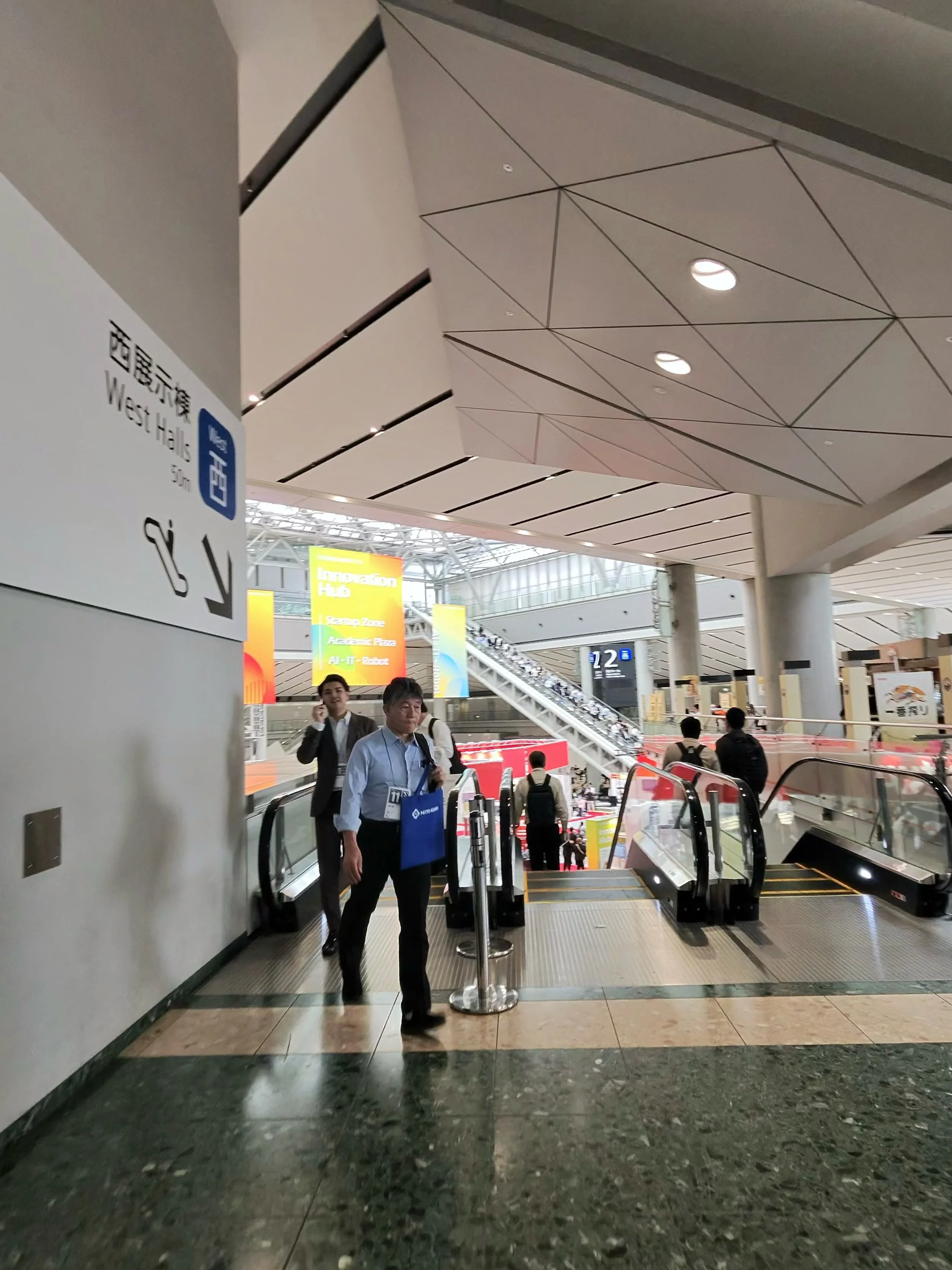
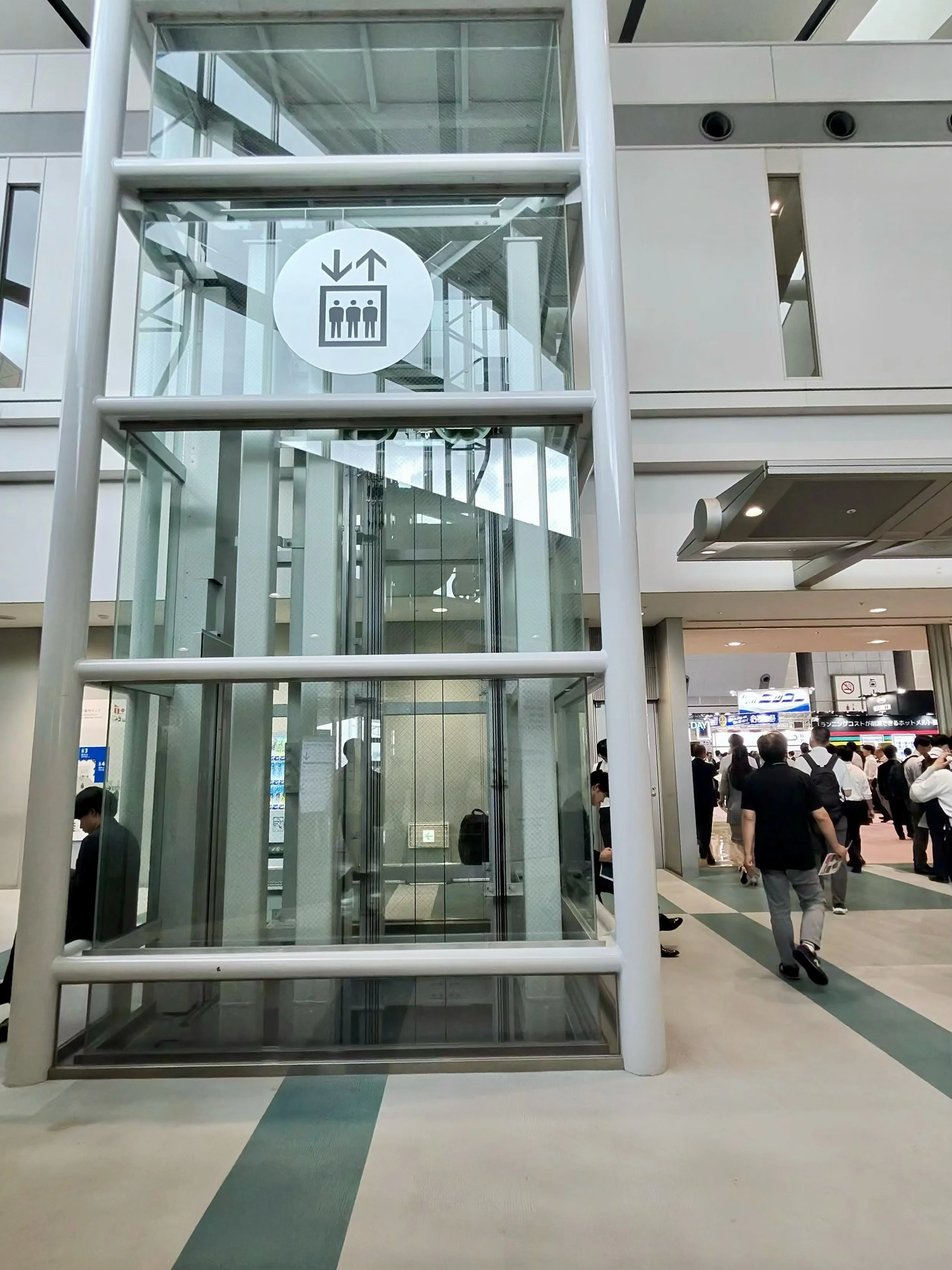
Elevators and escalators throughout Tokyo Big Sight help visitors move efficiently between multiple exhibition halls and levels.
Public Art Around Tokyo Big Sight
Many visitors focus on getting to their event and never realize that Tokyo Big Sight is also home to several public art installations located throughout the property. If you have a little extra time before or after your event, it's worth exploring some of the artwork found around the venue.
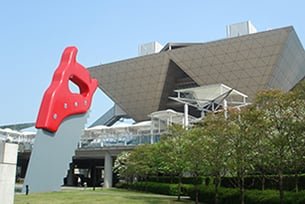
The Saw is one of several public art installations located around Tokyo Big Sight
One of the most recognizable pieces is The Saw, a large outdoor sculpture created by Claes Oldenburg and Coosje van Bruggen. Located outside the venue, it has become a popular landmark and photo spot for visitors arriving at Tokyo Big Sight.
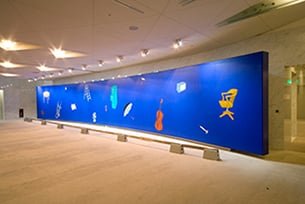
Floating World by Michael Craig-Martin inside Tokyo Big Sight.
Inside the venue, visitors can also find Floating World by Michael Craig-Martin. The large blue artwork features everyday objects displayed in a colorful and contemporary style. Positioned along a curved wall, the installation adds an unexpected artistic element to a space primarily known for trade shows and business events.
These installations offer a unique way to experience another side of Tokyo Big Sight beyond the exhibition halls and meeting rooms.
Finding Food During the Day
After spending several hours walking through exhibition halls, finding food quickly becomes a priority. Tokyo Big Sight offers several dining options both inside and outside the venue. Restaurant directories located throughout the building make it easy to locate cafés, restaurants, convenience stores, and food service areas without having to wander around searching for them.
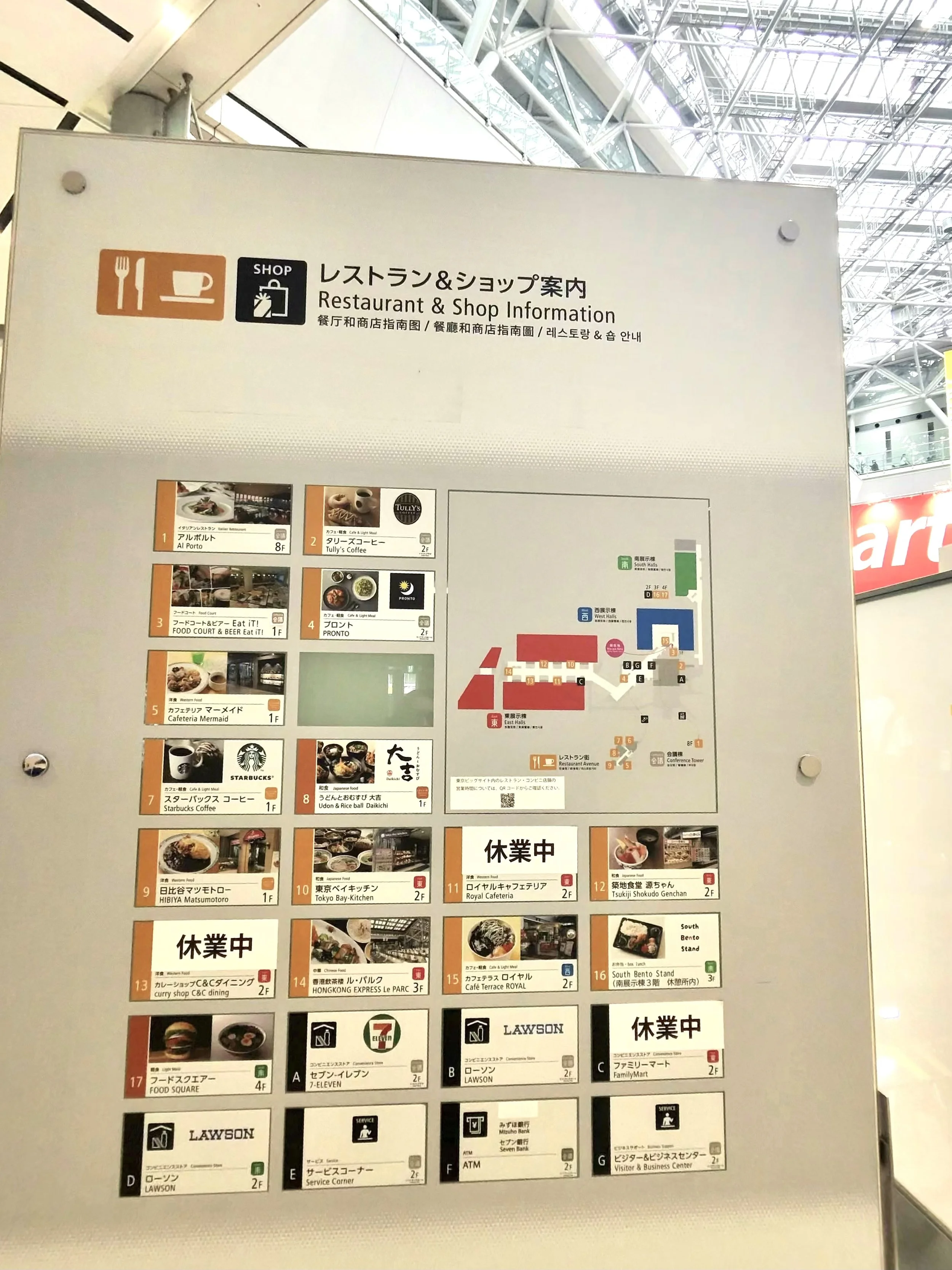
Restaurant directories throughout the venue help visitors quickly locate dining options.
During larger events, outdoor food truck areas provide even more options for attendees looking for a quick meal between meetings or presentations.
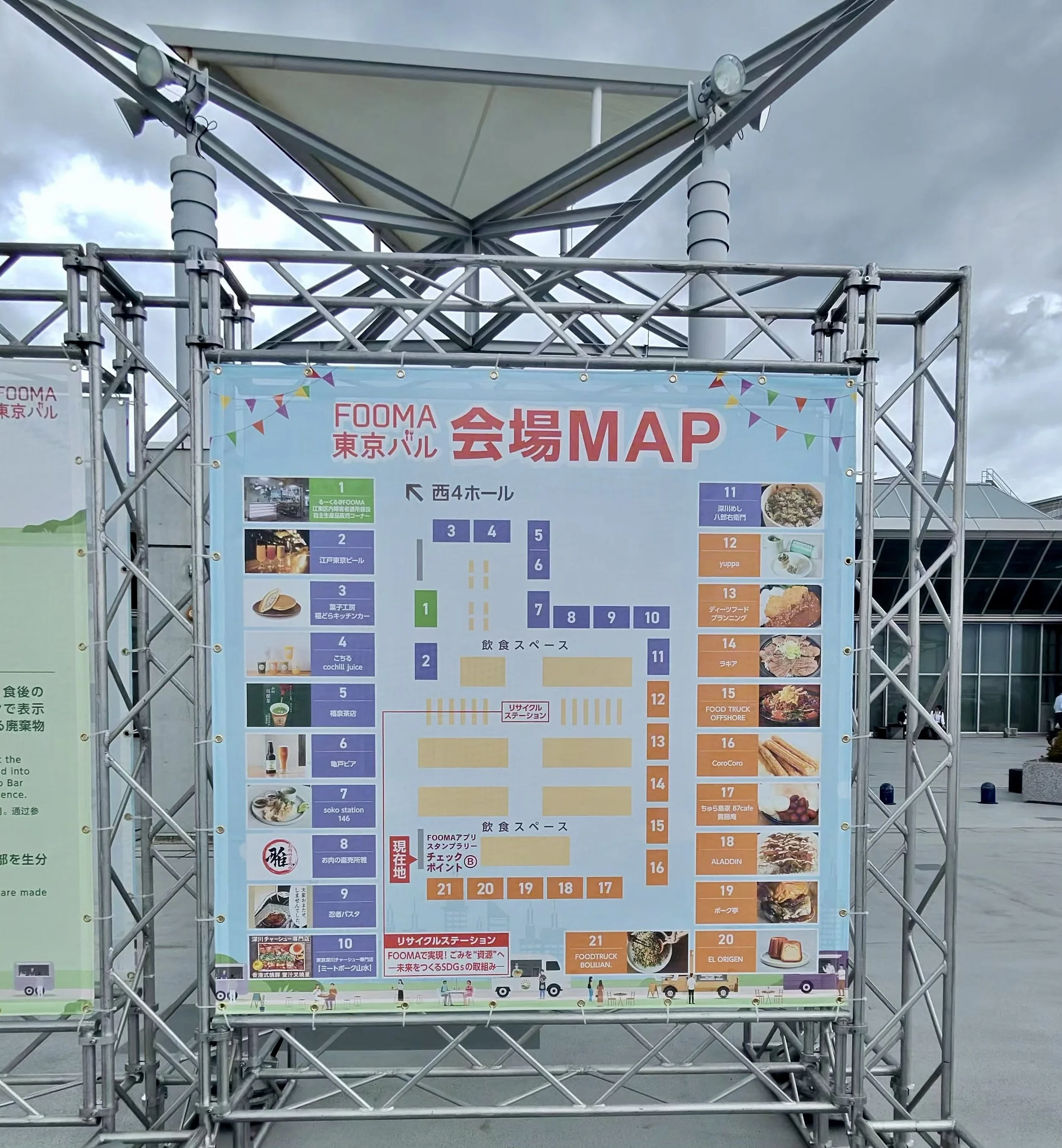
Food truck directories make it easy to find dining options during large trade shows and exhibitions.
One thing that stood out during FOOMA Japan was the variety of food available throughout the venue. Instead of having only one or two choices, visitors could choose from several different vendors without leaving the event grounds. This makes it easier to grab lunch and get back to the exhibition floor without losing valuable time.
Food Options for Different Dietary Needs
Finding food while traveling can sometimes be challenging, especially for visitors with dietary restrictions or preferences. One thing that stood out during FOOMA was the variety of food vendors available. In addition to standard food truck options, there were halal vendors and plant based food options available as well.
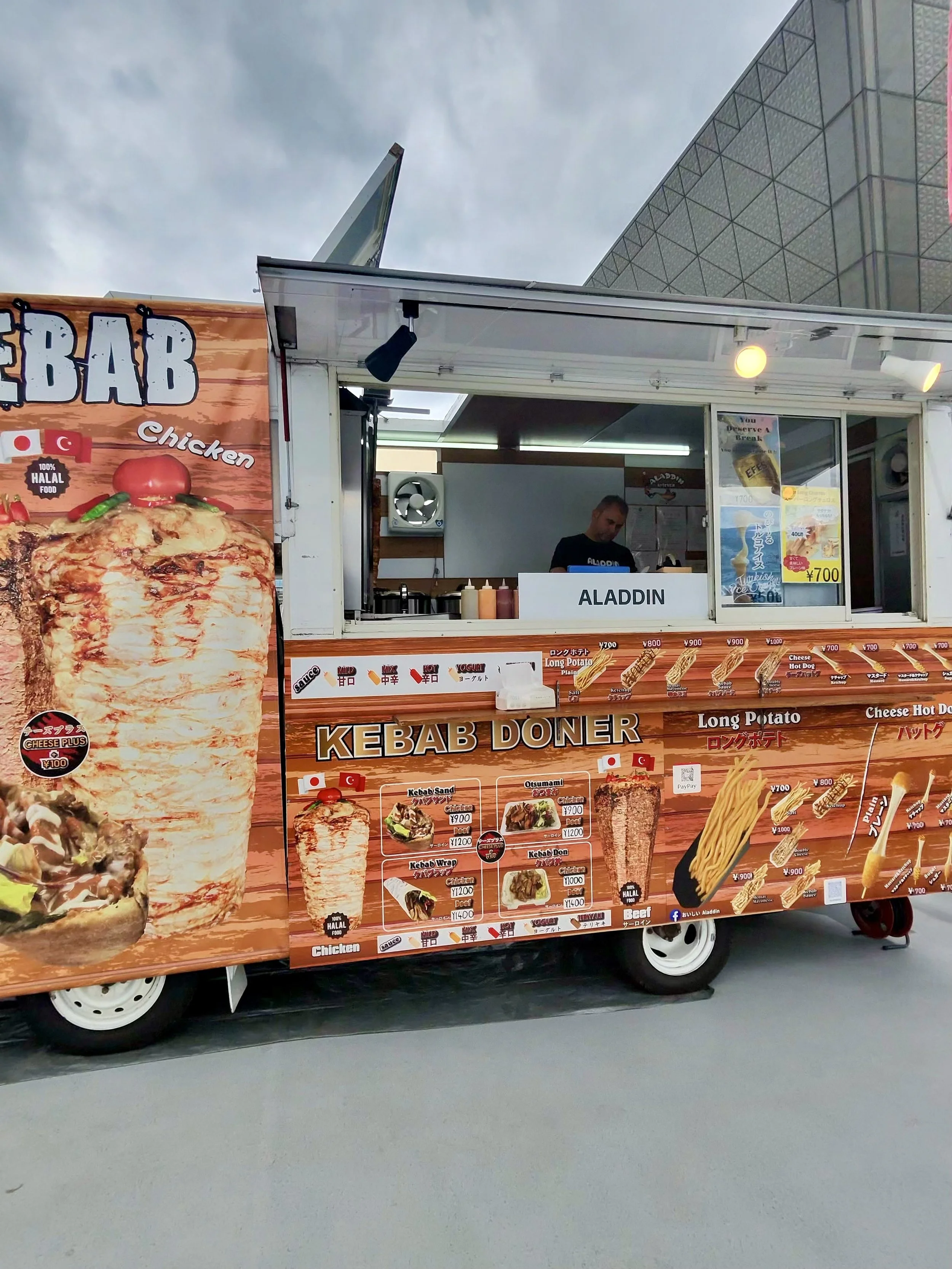
Halal food vendors were available during FOOMA Japan, providing additional options for visitors with dietary requirements.
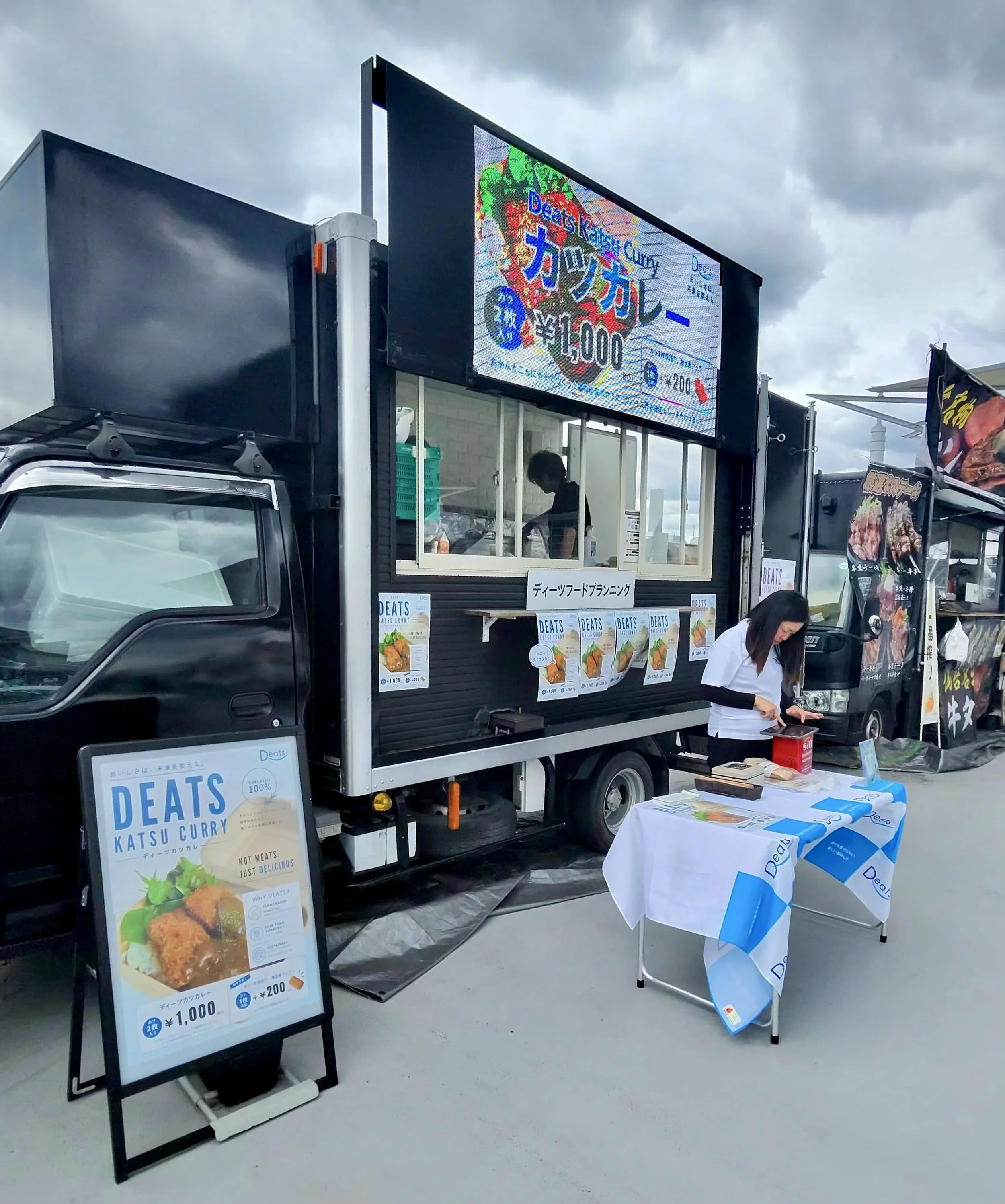
Plant based food options were also available on-site during FOOMA Japan.
Visitors could find everything from halal meals and plant based options to coffee stands, food trucks, and restaurants located throughout the venue. Having these choices available on-site makes it easier to stay near the event without needing to leave the grounds to search for food. Having these choices on-site makes a big difference for visitors who may otherwise need to spend time searching for restaurants outside the venue.
Nearby Dining Options
While Tokyo Big Sight offers several dining options on-site, visitors looking for a change of scenery can find a variety of restaurants within walking distance of the venue. The Ariake area offers everything from casual cafés and coffee shops to seafood restaurants and international cuisine.
Mehico (3-minute walk) – Known for seafood dishes and its large indoor aquarium, making it a unique setting for business lunches and client meetings.
Al Porto Tokyo Big Sight (inside Tokyo Big Sight on the 8th floor of the Conference Tower) – An Italian restaurant located within the conference complex, offering a more formal dining experience for business travelers.
SAUS (5-minute walk) – A modern café and restaurant popular for light meals, coffee, and casual meetings.
WASYOKU DINING Gazenariaketen (3-minute walk) – A Japanese restaurant serving traditional dishes in a comfortable business-friendly setting.
NIRVANAM North & South Indian Restaurant (5-minute walk) – Offers Indian cuisine with vegetarian-friendly options for international visitors.
Tokyo Bay Kitchen (inside Tokyo Big Sight) – Convenient for attendees looking for a quick lunch without leaving the venue.
Saizeriya Ariake Frontier Building (3-minute walk) – A budget-friendly Japanese-Italian restaurant serving pasta, pizza, salads, and vegetarian-friendly options.
Banyan Tree Cafe (5-minute walk) – Serves Southeast Asian-inspired dishes including pho, rice bowls, and lighter meal options.
Visitors with extra time between meetings may find these nearby restaurants a convenient alternative to the food courts and dining areas inside Tokyo Big Sight.
Accessibility and Visitor Facilities
Tokyo Big Sight offers several amenities that help make long event days more comfortable. Elevators are located throughout the venue and provide accessible routes for visitors with mobility needs, luggage, or equipment. Escalators also make it easy to move between different levels of the building.
Restrooms are clearly marked with visible signage throughout the venue, making them easy to locate when needed.
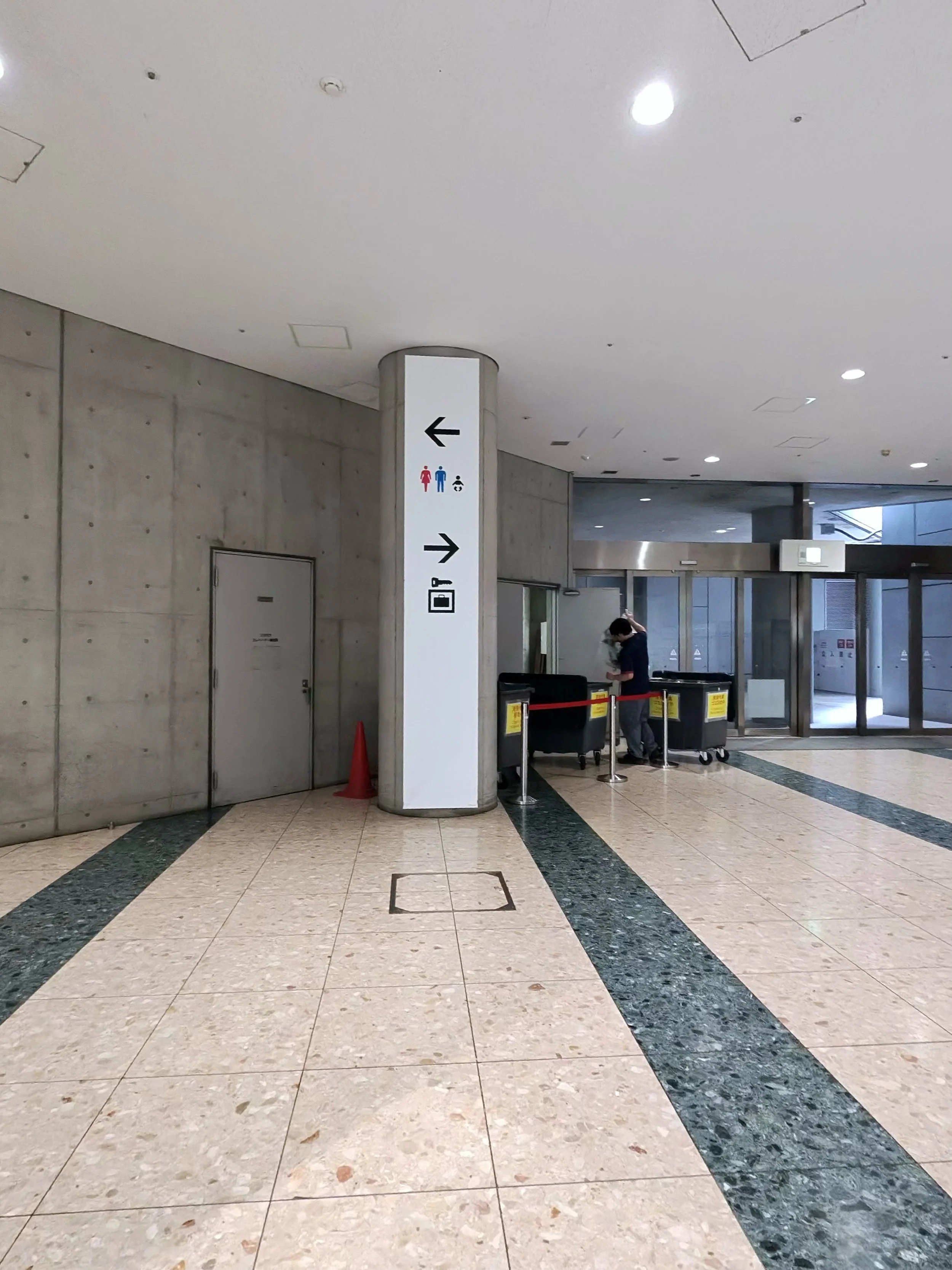
Restroom signage throughout Tokyo Big Sight makes facilities easy to locate.
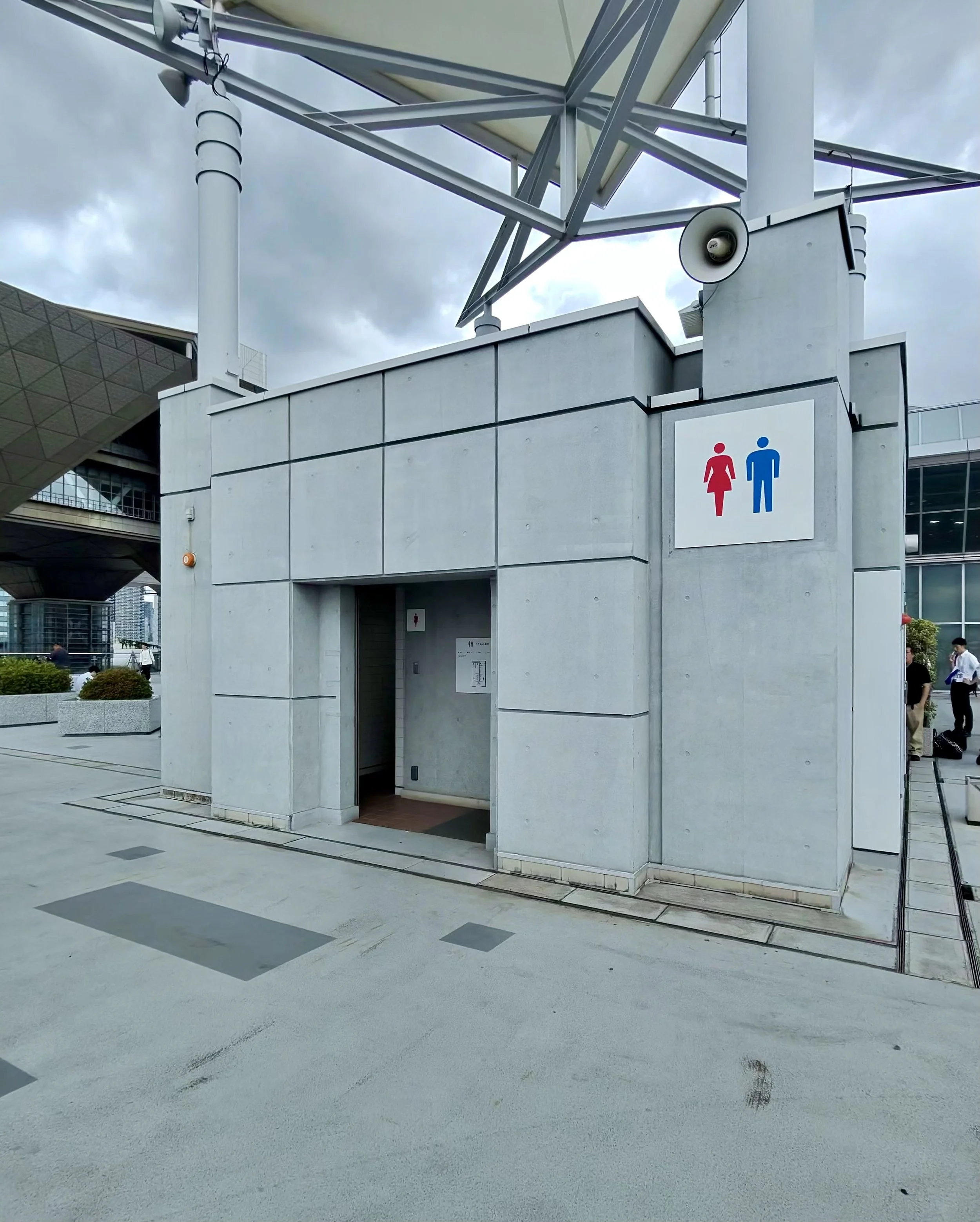
Additional restroom facilities are available throughout the venue grounds.
Seating areas are available throughout Tokyo Big Sight, providing visitors with places to rest, review notes, answer emails, or prepare for upcoming meetings. Visitors will also find several cafés, restaurants, and convenience stores throughout the venue and surrounding area. These can be useful for purchasing snacks, drinks, coffee, meals, or last-minute essentials during a busy event day. Convenience stores are especially helpful for grabbing bottled water, portable phone chargers, stationery, and quick meals between meetings or presentations.
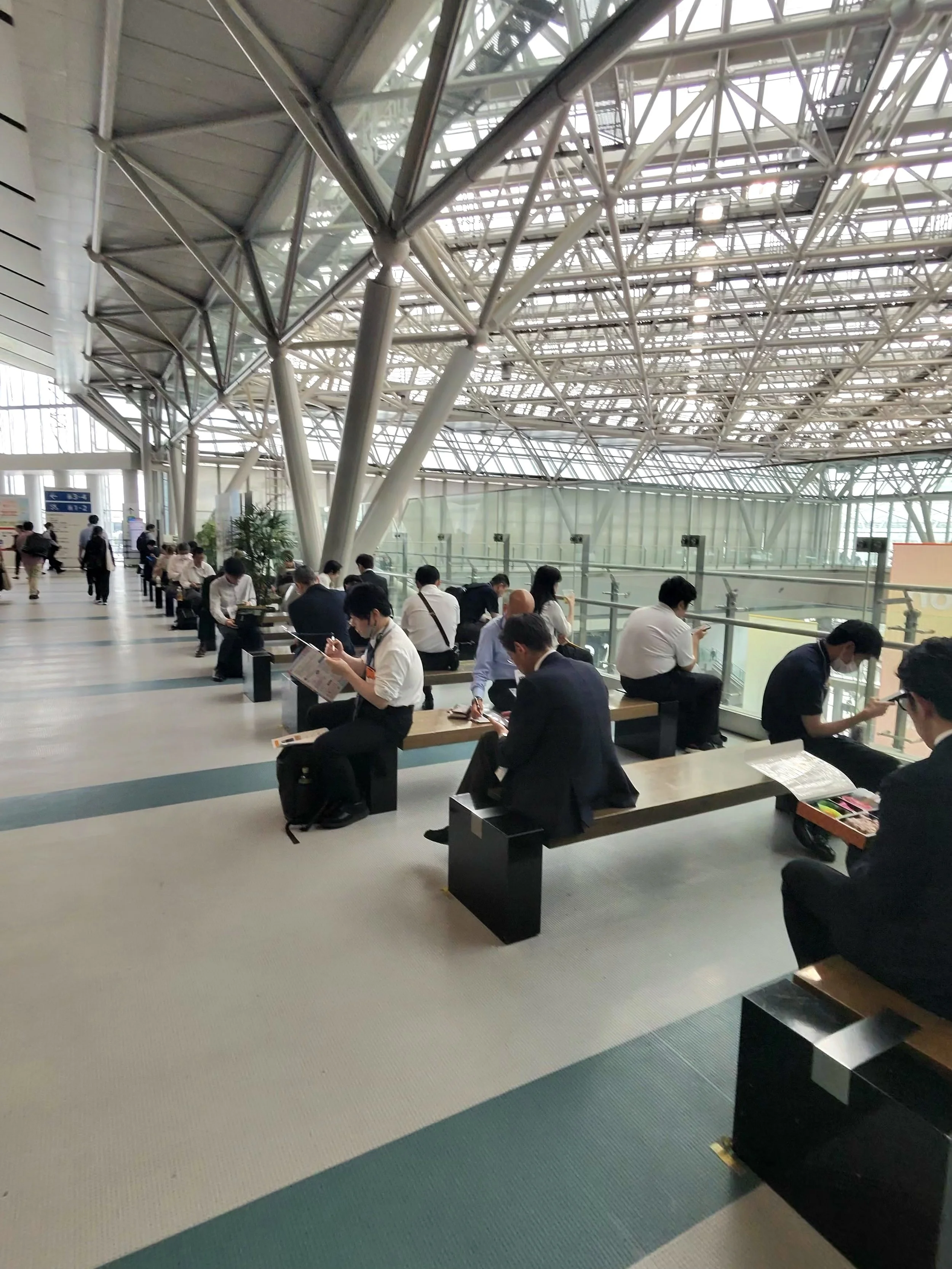
Seating area inside Tokyo Big Sight.
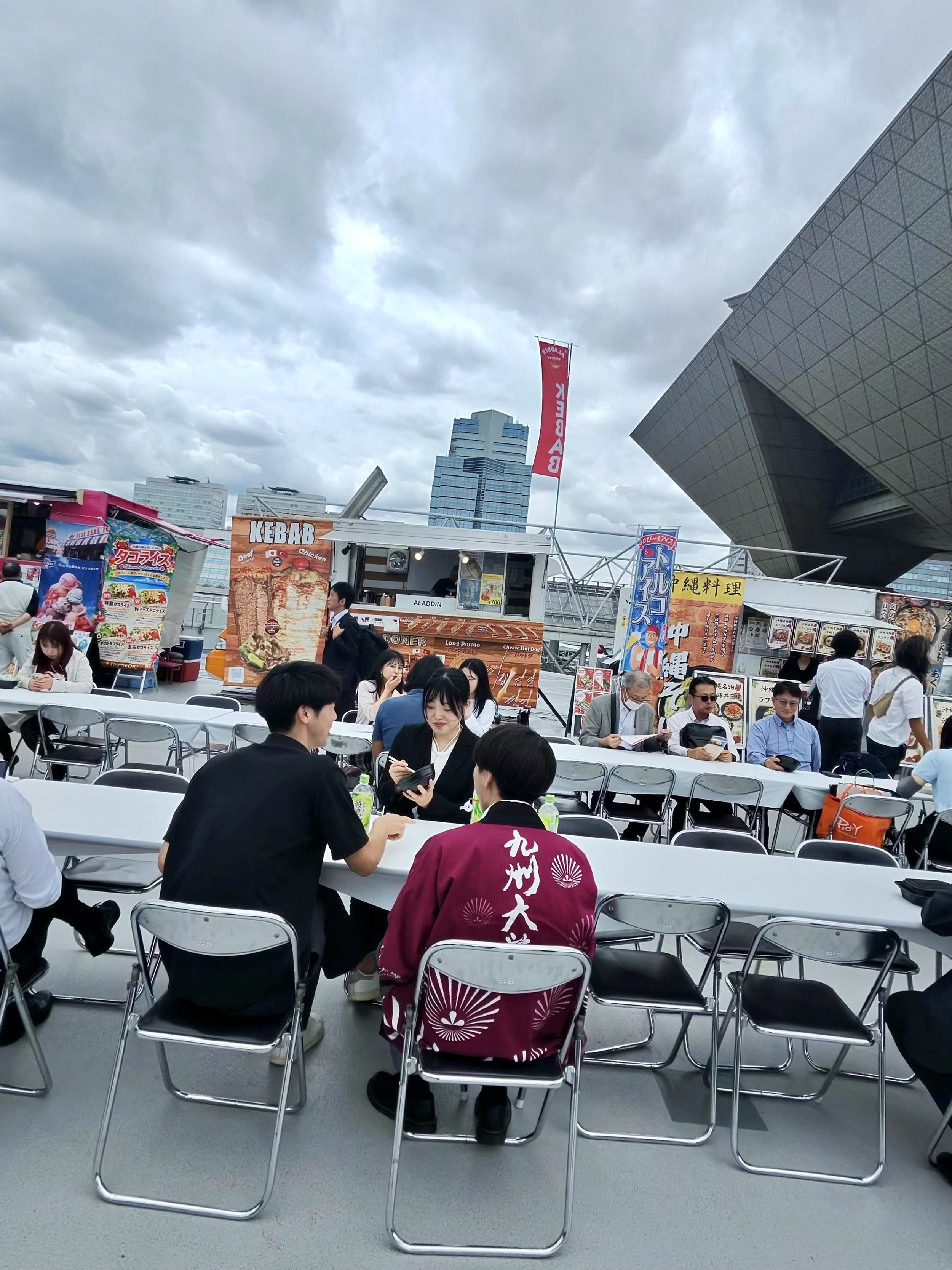
Outdoor seating near the exhibition halls.
Popular options include Tully's Coffee, PRONTO, and several dining facilities located inside Tokyo Big Sight. Convenience stores can also be found within or near the venue, making it easy for visitors to pick up refreshments and travel essentials without leaving the area.
Vending machines can also be found throughout the facility, offering quick access to water, coffee, tea, and other refreshments. These details may seem minor at first, but after several hours on your feet, they're the kinds of things you end up appreciating.
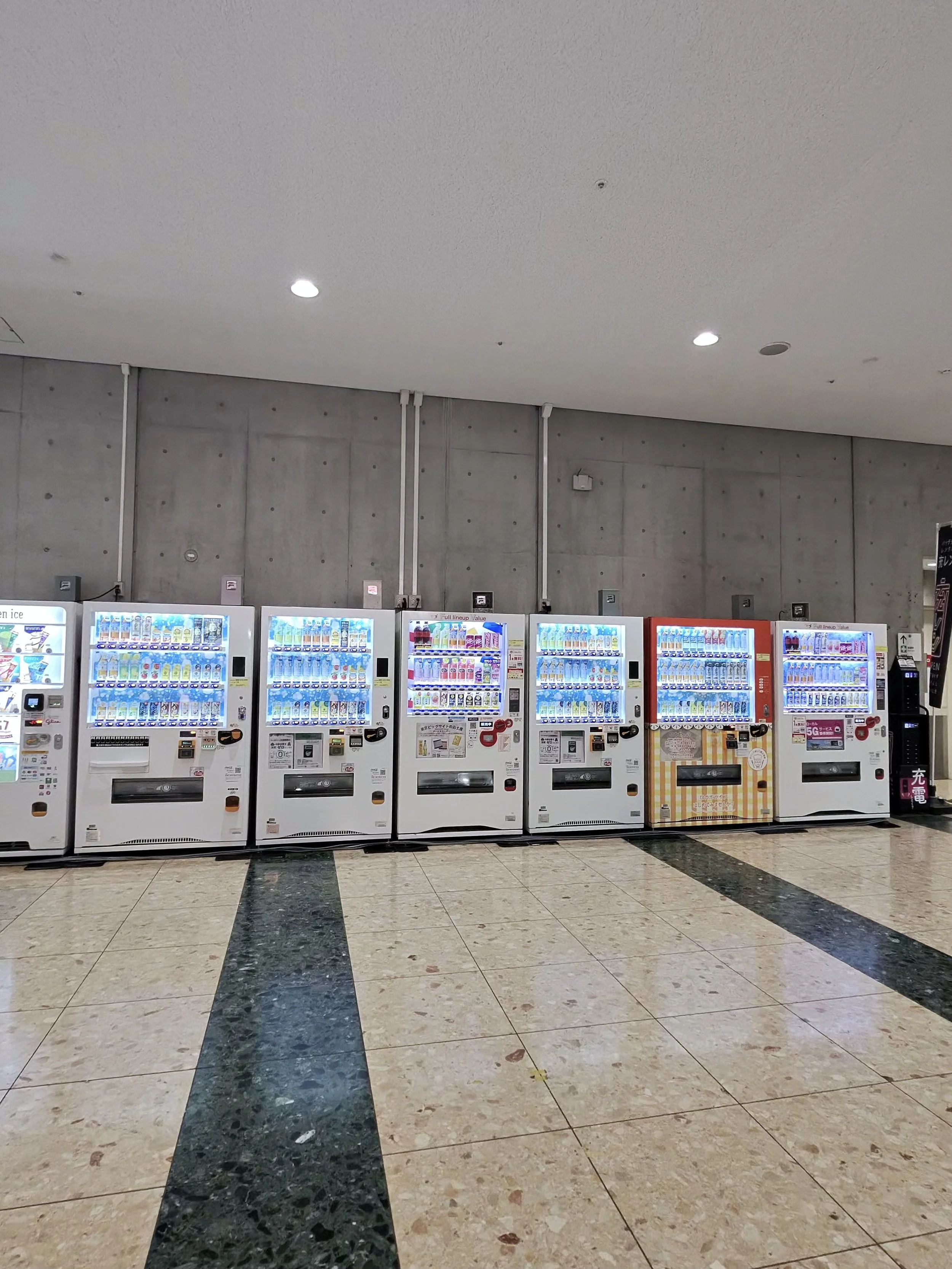
Vending machines throughout the venue provide convenient access to drinks and refreshments.
Common Challenges for International Visitors
While Tokyo Big Sight is well organized, international visitors may still encounter a few challenges during their visit. Fortunately, a little preparation can make the experience much smoother.
Navigating Tokyo's Train System
One of the biggest challenges for first-time visitors is navigating Tokyo's extensive rail network. Large stations such as Shimbashi, Shibuya, and Shinjuku can be overwhelming due to their size and multiple exits.
Helpful tip: Use Google Maps to check platform numbers, train schedules, and transfer information before departing. Arriving 15–20 minutes earlier than planned can also help reduce stress when navigating unfamiliar stations.
Finding the Correct Entrance and Exhibition Hall
Tokyo Big Sight is a massive venue with multiple exhibition halls, conference rooms, and meeting spaces. Many visitors underestimate how much walking is involved once they arrive.
Helpful tip: Review the event floor map before entering the venue and take a photo of it on your phone for quick reference throughout the day.
Managing Language Barriers
While many event staff and exhibitors speak some English, visitors may occasionally encounter Japanese-only signage, brochures, or menus.
Helpful tip: Translation apps such as Google Translate can help translate signs, documents, and conversations in real time using your phone's camera.
Finding Food During Busy Periods
Restaurants and food courts inside Tokyo Big Sight can become crowded during lunch hours, especially during large exhibitions.
Helpful tip: Consider eating slightly before or after the lunch rush, or explore nearby restaurants in the Ariake area for additional dining options.
Staying Connected and Keeping Devices Charged
Most attendees rely heavily on their phones throughout the day for maps, schedules, translation tools, event registrations, and networking.
Helpful tip: Bring a portable charger or power bank. A charging cable and portable battery can be extremely helpful during long event days.
Apps and Tools That Can Make Your Visit Easier
Google Maps – Navigation, train routes, platform information, and walking directions.
Google Translate – Translating signs, menus, and event materials.
Suica Mobile / IC Card – Convenient cashless payment for trains, vending machines, and convenience stores.
Portable Power Bank – Essential for keeping phones charged during long days of travel and networking.
Visitors who forget a charger or need extra battery power can use ChargeSPOT, a portable charger rental service available at train stations, convenience stores, shopping centers, and other locations throughout Tokyo. On rainy days, iKasa umbrella rental stations can also be helpful, allowing visitors to borrow and return umbrellas at participating locations across the city. These services can make it easier to navigate Tokyo and attend events comfortably without carrying extra items.
Chargespot https://chargespot.jp/
Ikasa https://www.i-kasa.com/
Tips for a Successful Visit
If you're planning to attend a trade show at Tokyo Big Sight, a little preparation can go a long way. Arrive early, wear comfortable shoes, and take a few minutes to review the venue map when you arrive. Identify where the food areas, restrooms, seating spaces, and transportation access points are located before you need them. Bring a portable charger, stay hydrated throughout the day, and keep business cards easily accessible if you plan to network with exhibitors or other attendees. Taking a few minutes to plan ahead can save time and make the day much less stressful.
Whether you're attending a major exhibition such as Japan IT Week, COMNEXT, Design Tokyo, or another event at Tokyo Big Sight, knowing what to expect before you arrive can make a big difference. While the size of the venue may seem intimidating at first, clear signage, convenient transportation access, dining options, seating areas, and visitor amenities help make the experience much easier to navigate. With a little preparation, visitors can spend less time figuring out logistics and more time focusing on the event itself.
Planning to attend a trade show or conference in Japan? Tokudaw helps international businesses and visitors navigate Japan with confidence. From event support and transportation coordination to custom itineraries and local expertise, our team can help make your trip as smooth and productive as possible. Contact Tokudaw here to learn how we can support your next business event in Japan.
