
What Are the Best STEAM Activities for Families Visiting Japan?
If you're planning a family trip to Japan, you may be looking for activities that are both fun and educational. STEAM stands for Science, Technology, Engineering, Arts, and Mathematics, and it focuses on hands-on learning through real-world experiences. Many first-time visitors are surprised to discover that Japan is a great destination for STEAM learning. Whether it's making traditional Washi paper, testing hot spring water in Hakone, studying the engineering of castles, or exploring the physics behind roller coasters at Yomiuriland, Japan offers opportunities to experience science, technology, engineering, arts, and math in ways that feel natural and engaging. TokudAw's Summer Holiday STEAM programs were created for families, homeschool groups, scout troops, and lifelong learners who want to learn while exploring Japan.
Why Japan Works So Well for STEAM Learning
One thing that surprises many first-time visitors is how often learning happens without even realizing it.
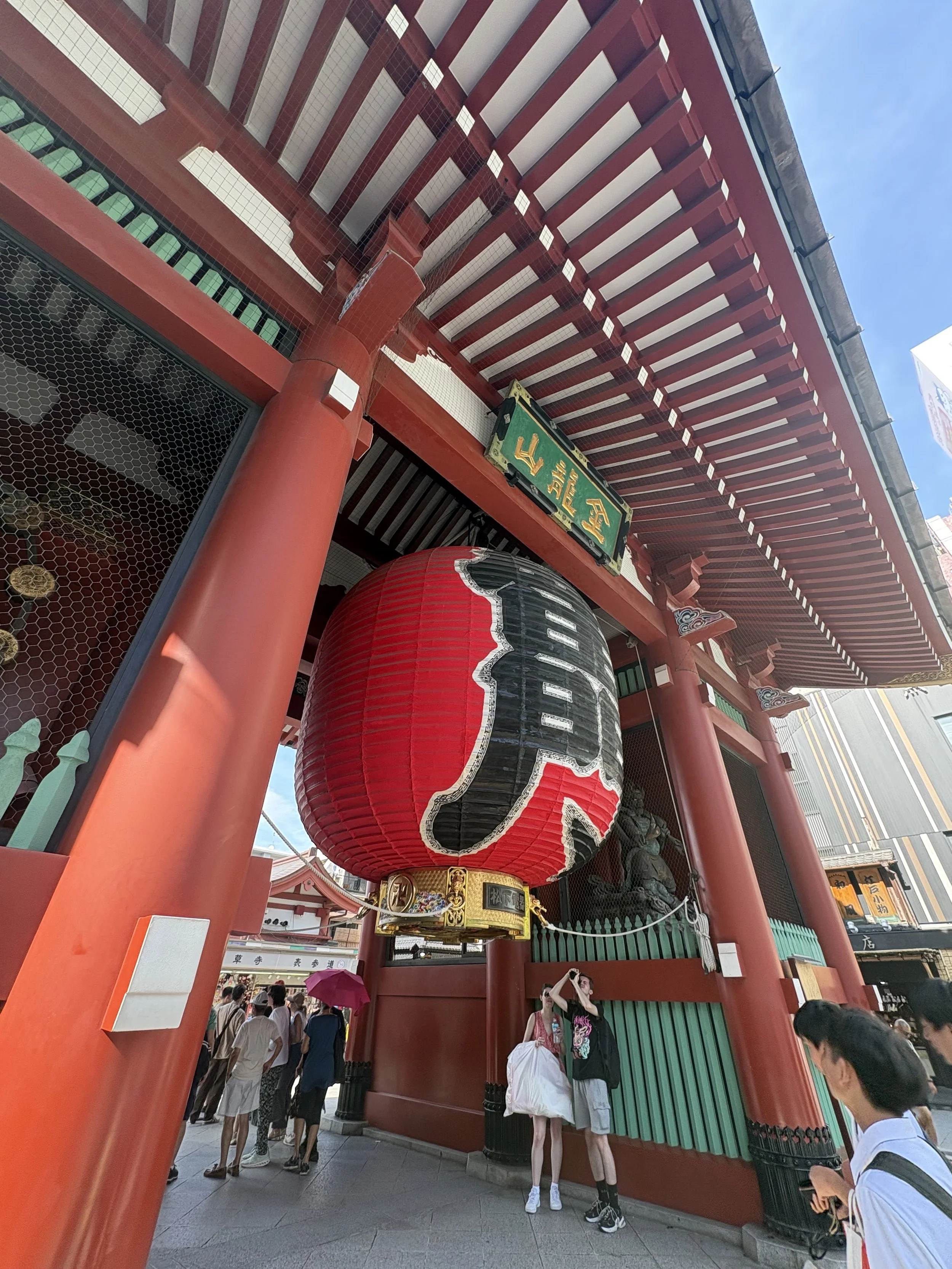
A visit to a temple can become a lesson in probability.
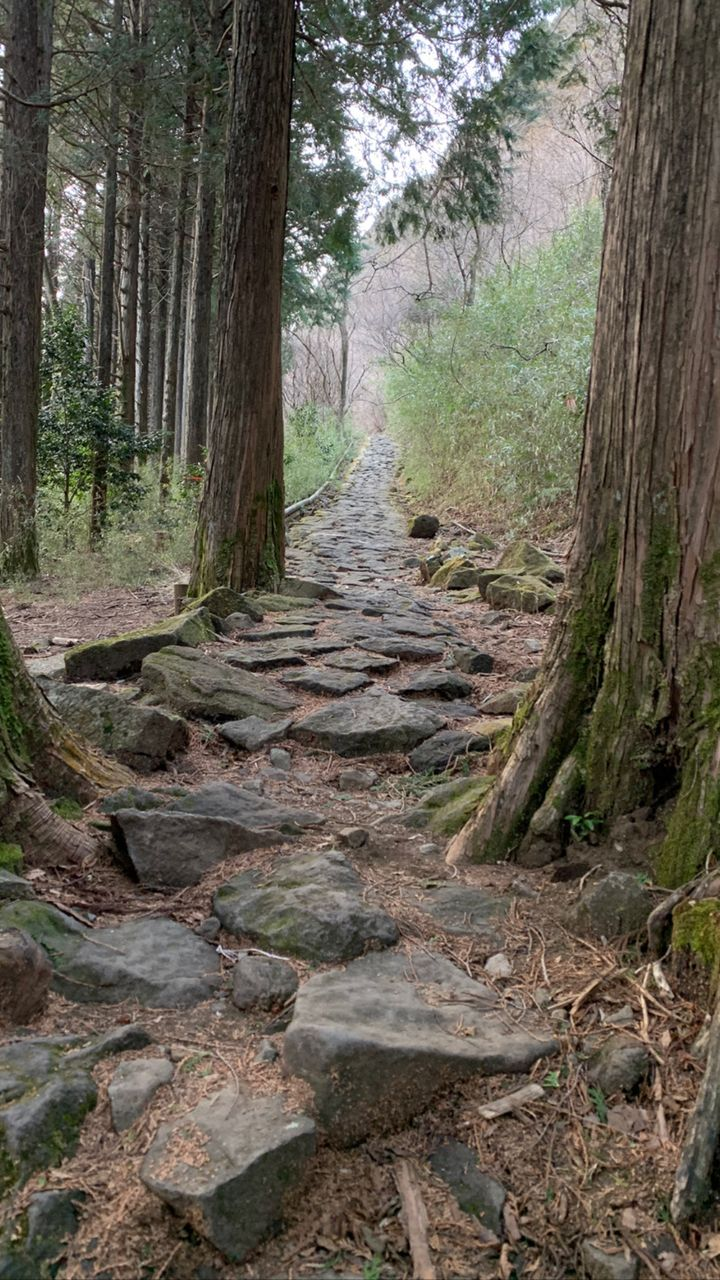
A walk down an old road can become a lesson in engineering.
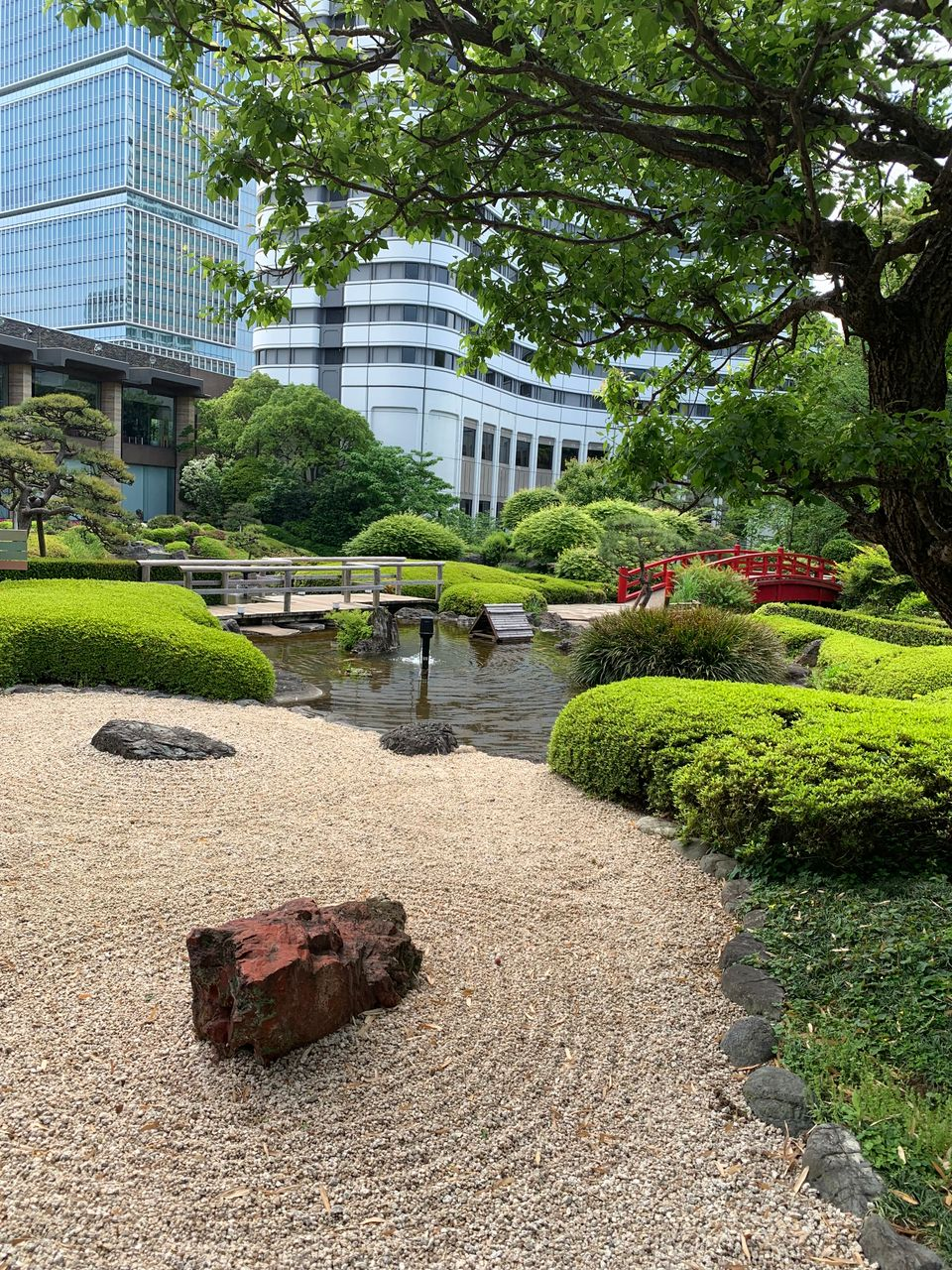
A Japanese garden can become a lesson in geometry and design.
Japan has a unique way of blending tradition and innovation. In the same trip, you can learn about centuries-old craftsmanship and modern technology. That combination is what inspired TokudAw's STEAM programs. Travelers can choose a single day of activities or a full five-day program depending on their schedule and interests. Throughout the experience, Twinkle the Cat serves as TokudAw's STEAM Ambassador, encouraging participants to stay curious, ask questions, and look a little closer at the world around them.
STEAM Adventure for Younger Learners
This itinerary is designed for younger children, families, homeschool groups, and scout troops who want hands-on activities with shorter travel times.
Sensory Science
Participants can learn how traditional Washi paper is made by mixing natural fibers and water to create durable sheets of paper that have been used in Japan for generations. Ikebana, the Japanese art of flower arranging, introduces ideas about balance, shape, and design while encouraging creativity. Participants can also create traditional cord and see how individual strands become stronger when they are twisted together, demonstrating how teamwork and engineering concepts work in everyday life.

Tradition Time Travel
Many children learn best by doing. Instead of reading about Japanese history, participants can experience activities that children enjoyed during the Edo period. Activities may include playing Kendama, learning traditional hand games, and wearing traditional Japanese clothing. Participants can also learn about Japanese joinery techniques and discover how craftspeople built structures and objects without relying on glue.
Eating Discoveries
Food becomes part of the learning experience. Participants can learn how mochi is made and why its texture changes during the preparation process. They can also explore how whisking matcha affects flavor, texture, and foam. A visit to a Japanese convenience store introduces basic budgeting skills while giving participants a chance to compare products and prices. Students can also learn about umami, often called Japan's fifth taste, and discover why it plays such an important role in Japanese cuisine.

Adventurous Expeditions
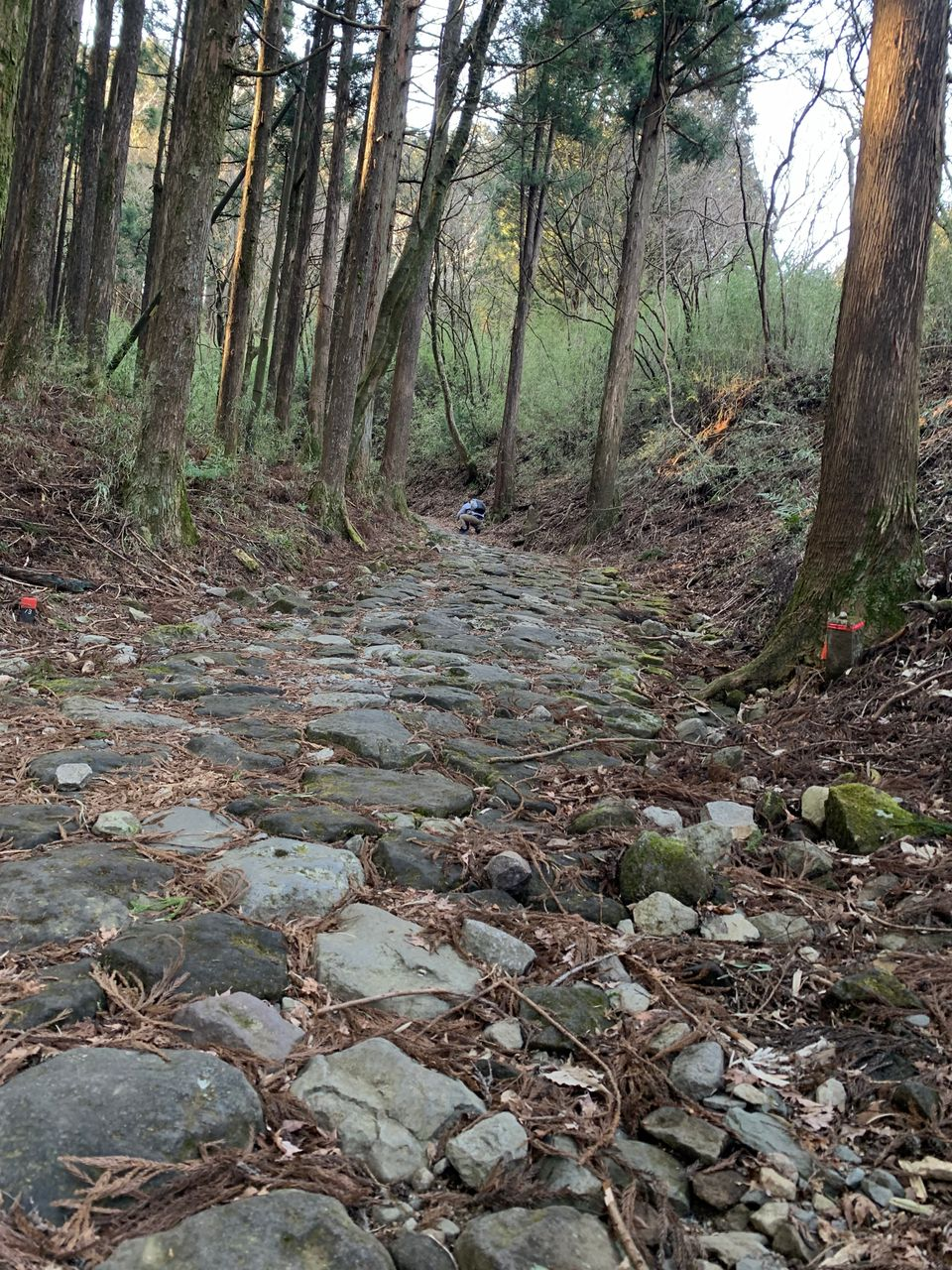
Participants can practice navigation skills while walking along a historic Samurai road. Using maps and compasses, they learn how travelers found their way long before GPS existed. Along the route, they can discover how local plants and natural materials were used to create tools, clothing, and everyday items. Participants can also create a traditional craft inspired by the natural environment around them.
Mindful Making
Participants can build a Zen garden while learning how rocks, sand, and spacing work together to create balance. Origami introduces geometry through folding patterns and shapes. Students can also explore how geometric designs appear in traditional Japanese hair ornaments and decorative arts.
STEAM Adventure for Older Students
Older students often want to explore subjects in greater depth. This itinerary focuses on real-world applications of science, technology, engineering, arts, and mathematics across Japan.
Day 1: Science – The Living Earth
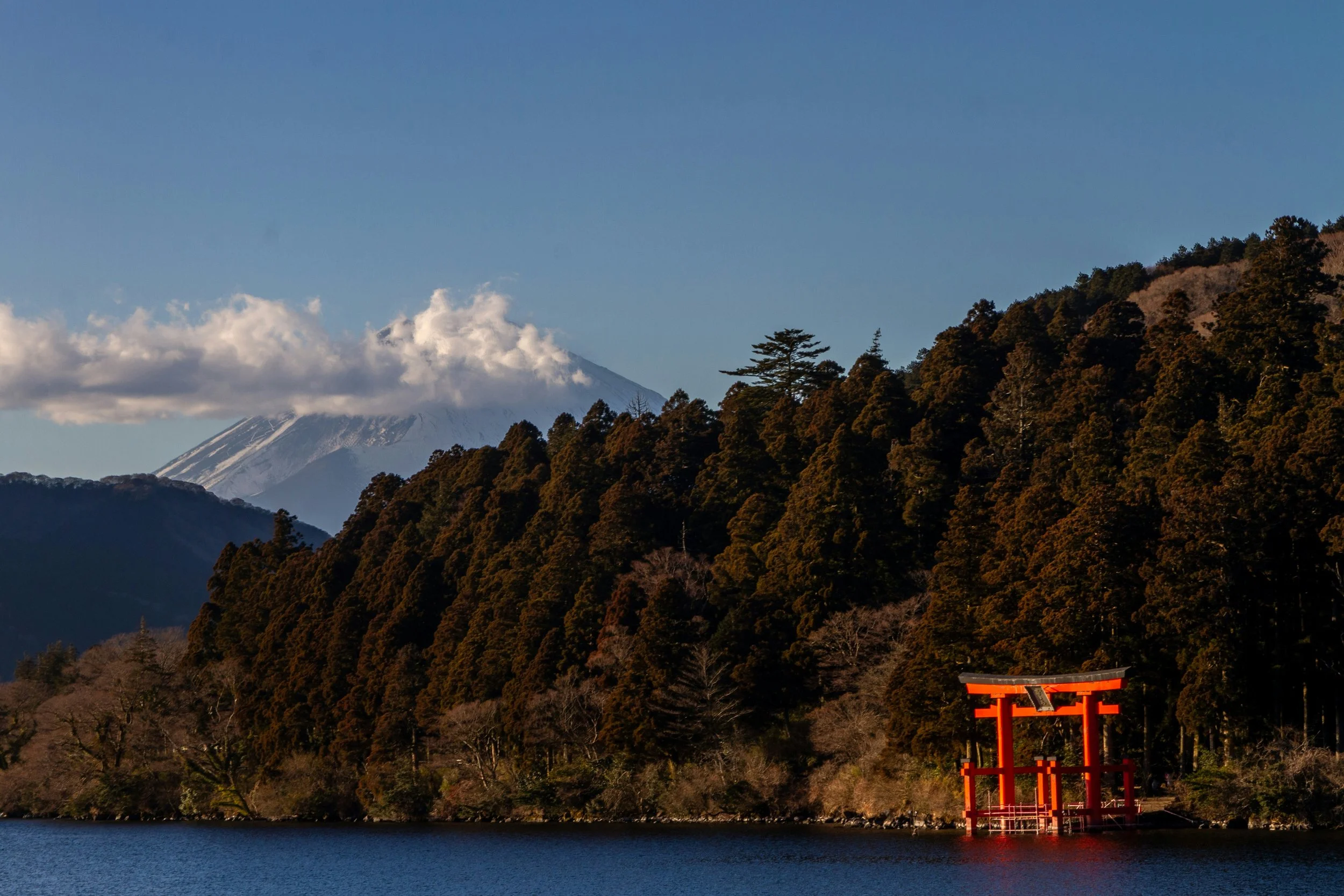
Japan sits on the Pacific Ring of Fire, making it one of the most active volcanic regions in the world. The day begins in Hakone, where students explore the chemistry of onsen water. By testing pH levels and examining minerals such as sulfur and calcium carbonate, they gain a better understanding of why different hot springs have different characteristics. In the afternoon, a visit to a Geo Museum helps explain how volcanoes, earthquakes, and natural forces continue to shape Japan today.
Day 2: Technology – The Future of Robotics
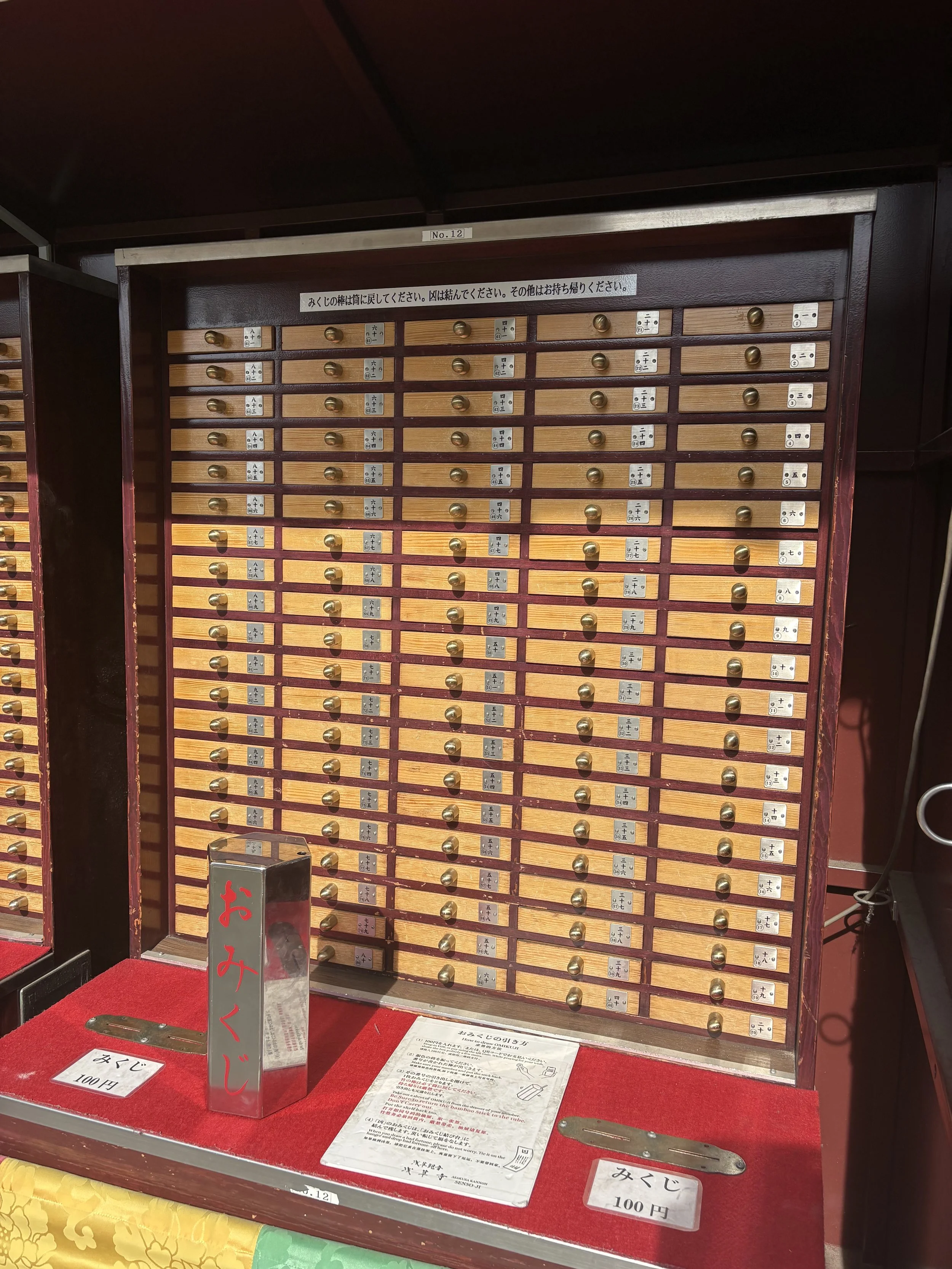
Japan is known around the world for technology and innovation. The morning begins in the Asakusa area, where students observe the traditional Omikuji fortune process at Senso-ji. Participants shake a container until a numbered stick appears, then locate the matching drawer to receive their fortune. In the afternoon, students recreate this process using a micro:bit, a beginner-friendly computer. By building a digital randomizer, they connect a traditional Japanese practice with modern coding and technology.
Day 3: Engineering – Castles and Bridges
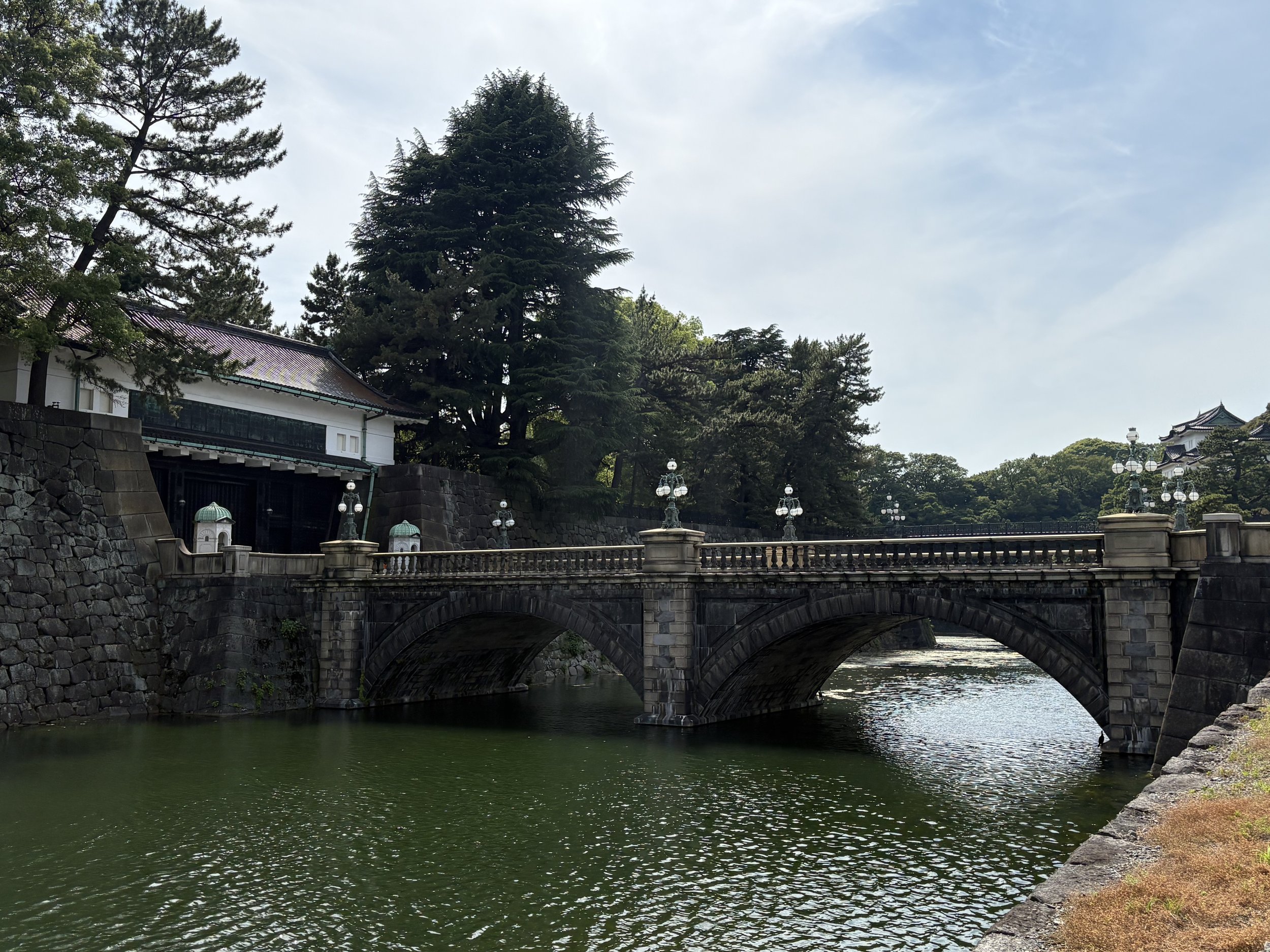
Japan is home to castles, shrines, and bridges that have stood for centuries. Students visit a traditional Japanese castle and learn about woodworking joinery, structural design, and construction techniques that helped these buildings survive for generations. Participants also create a simple woodworking craft inspired by traditional Japanese techniques. Later in the day, they visit a modern bridge and an underwater highway, comparing historic engineering methods with modern infrastructure. On clear days, students may even catch a view of Mount Fuji along the way.
Day 4: Arts – Nature's Chemistry
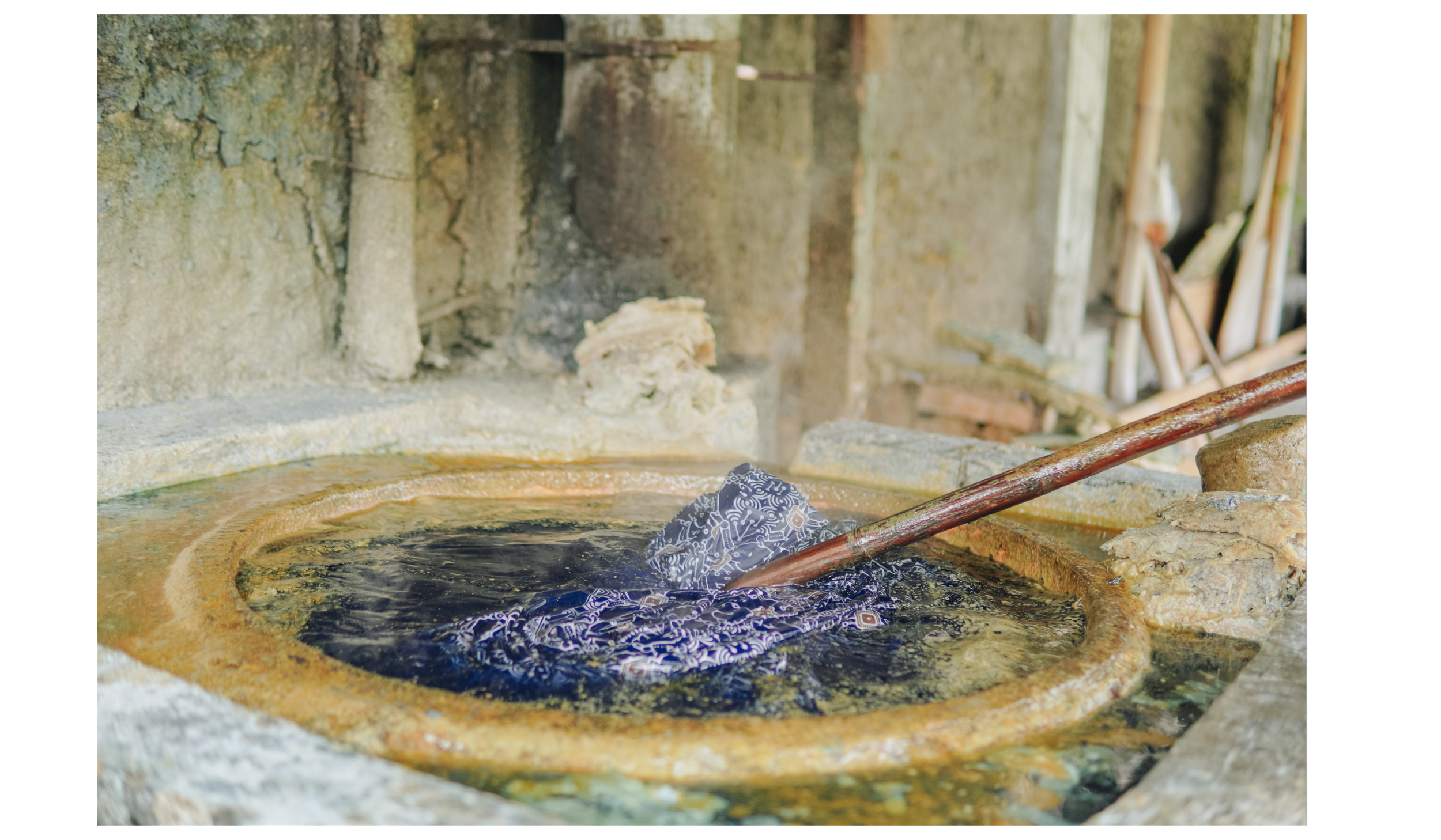
Art and science come together through natural dyeing. Participants use ingredients such as red cabbage, onion skins, and turmeric to create natural dyes. By changing pH levels, they can observe how colors shift and react. Students then create their own dyed tenugui while learning how natural dyes influenced Japanese fashion and textile traditions. The day also includes a visit to the Japan Folk Crafts Museum, where students can see examples of traditional craftsmanship and design.
Day 5: Math Mission at Yomiuriland
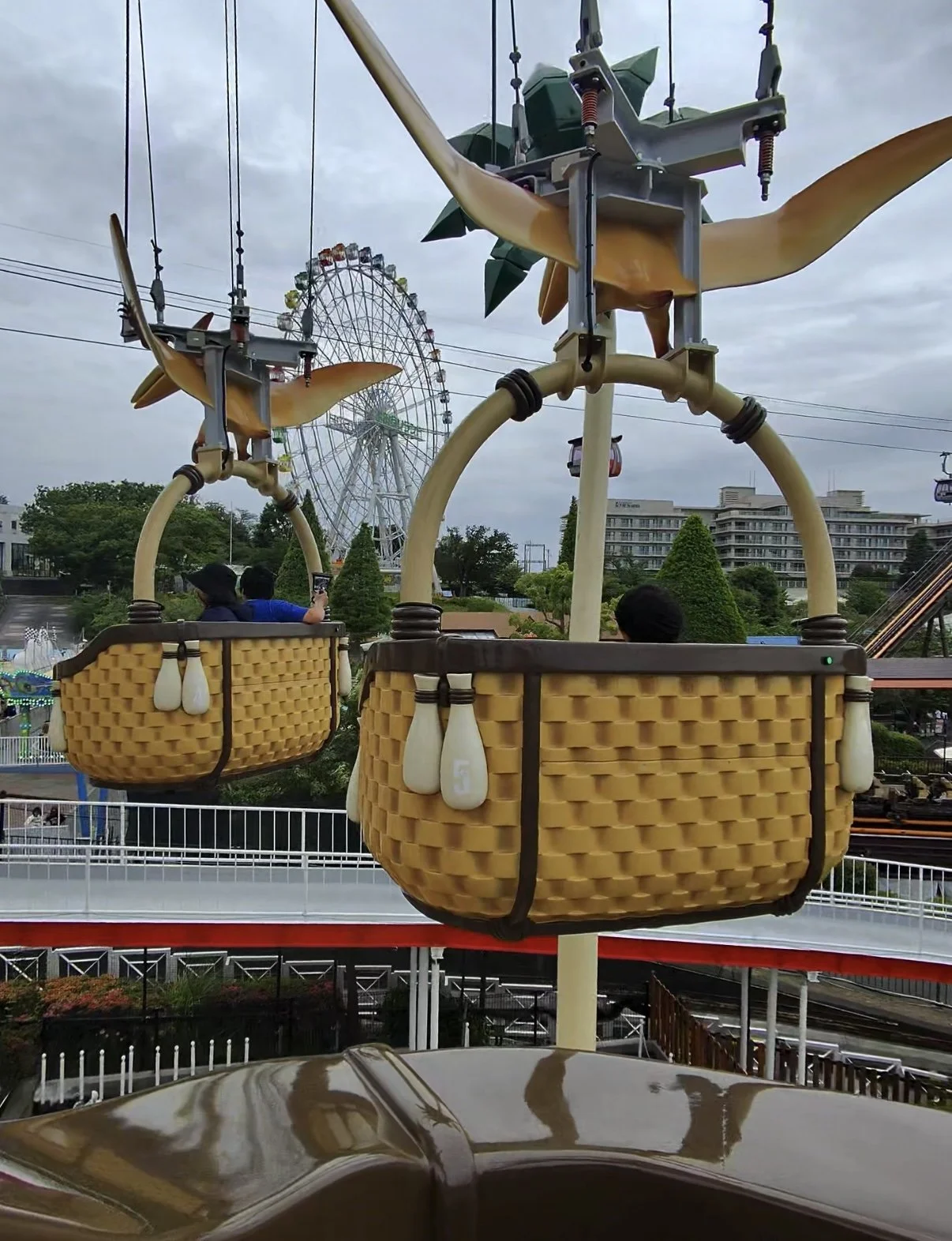
Math becomes much more interesting when it leaves the classroom. At Yomiuriland, students explore the geometry and physics behind amusement park rides. They can examine slopes, angles, parabolas, circumferences, and G-forces while experiencing the rides firsthand. Instead of solving equations on paper, they see how mathematical concepts work in the real world.
Why Families, Homeschoolers, and Scout Troops Choose TokudAw
One of the biggest benefits of STEAM travel is that it encourages participants to ask questions and make connections. Instead of simply visiting a location, travelers learn why it matters.
Families appreciate the educational value.
Homeschool groups enjoy the real-world learning opportunities.
Scout troops benefit from teamwork, observation, and hands-on experiences.
Because TokudAw offers flexible scheduling, groups can choose a single day of activities or build a multi-day learning experience that fits their goals.
Travel Comfortably with Japan Private Drivers
Educational travel works best when families can focus on learning rather than logistics. Through Japan Private Drivers, TokudAw offers private transportation, custom daily pacing, and convenient travel between destinations. Whether traveling to Hakone, Asakusa, Yomiuriland, museums, castles, or cultural workshops, families can spend more time enjoying the experience and less time worrying about train schedules or transportation connections. For larger families, homeschool groups, and scout troops, this makes traveling across Japan simpler and more comfortable.
Interested in bringing your family, homeschool group, or scout troop to Japan? Contact TokudAw here to create a customized STEAM travel experience.
TokudAw STEAM Travel vs Traditional Sightseeing

Frequently Asked Questions
Who are these STEAM programs designed for?
Families, homeschool groups, scout troops, students, and lifelong learners interested in educational travel.
Can we book just one day?
Yes. Travelers can choose a single day experience or combine activities into a longer program.
Are the activities suitable for different age groups?
Yes. TokudAw offers separate itineraries designed for younger learners and older students.
Does TokudAw provide transportation?
Yes. Transportation options are available through Japan Private Drivers.
What makes TokudAw different from a standard tour company?
TokudAw combines Japanese culture, hands-on learning, STEAM education, flexible pacing, and transportation support to create educational travel experiences throughout Japan.