
What are some Japanese Experiences near Yokohama Worth Adding to Your Business Trip?
Visiting Yokohama for GREEN×EXPO 2027, happening from 19 March to 26 September 2027? While the Expo’s own program does include a Craft Village showcasing traditional Japanese craftsmanship, business travelers who would like to see more of Japan during their Japanese business trip should definitely consider the following experiences, all of which are located near the Yokohama area. Many of these experiences can be completed in half a day, which also work well as shore excursions for cruise visitors on a Yokohama port of call.
Gardens, Temples, and Tea
Sankeien Garden
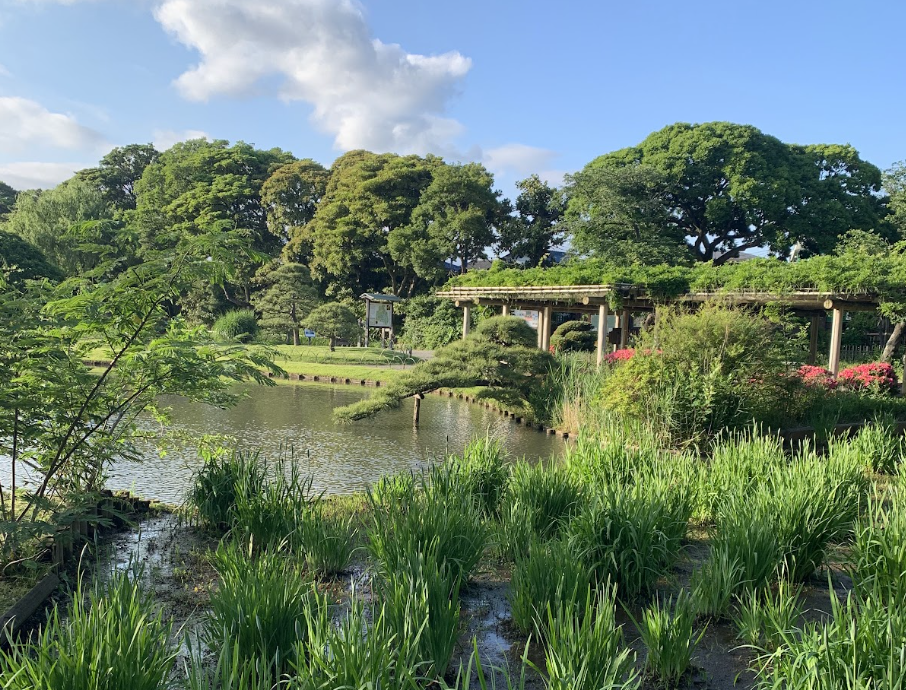
Address: 58-1, Honmoku Sannotani, Naka-ku, Yokohama, 231-0824
Admission Fee: JPY 900
Opened in 1906, Sankeien Garden is a traditional Japanese-style garden known for its beautiful landscape design and peaceful environment. The 175,000-square-meter garden also houses 17 historical buildings, relocated from different areas of Japan. Notable buildings include a feudal lord (daimyo)’s residence and a three-storied pagoda from Kyoto. Sankeien Garden is one of Yokohama’s most popular attractions, perfect for visitors looking for a quiet, nature stop amidst their busy schedule. It is also a rewarding choice for cruise passengers looking to enjoy a peaceful Japanese garden experience near Yokohama Port.
Visitors can also look forward to the Garden’s impressive seasonal sceneries, featuring cherry blossoms (sakura) in spring, Japanese pink lotus in summer, and plum blossoms (ume) in end-winter. English support is also available at the Garden, in the form of pamphlets and guided tours.
Notably, Sankeien Garden was founded by Hara Senkai, one of modern Japan’s three great tea masters. Multiple teahouses and tea rooms are located across the Garden’s grounds, with some still in operation today. Stop by Sankeien-Saryo, a traditional Japanese-style teahouse, for a casual tea ceremony with some dango (sweet rice dumplings).
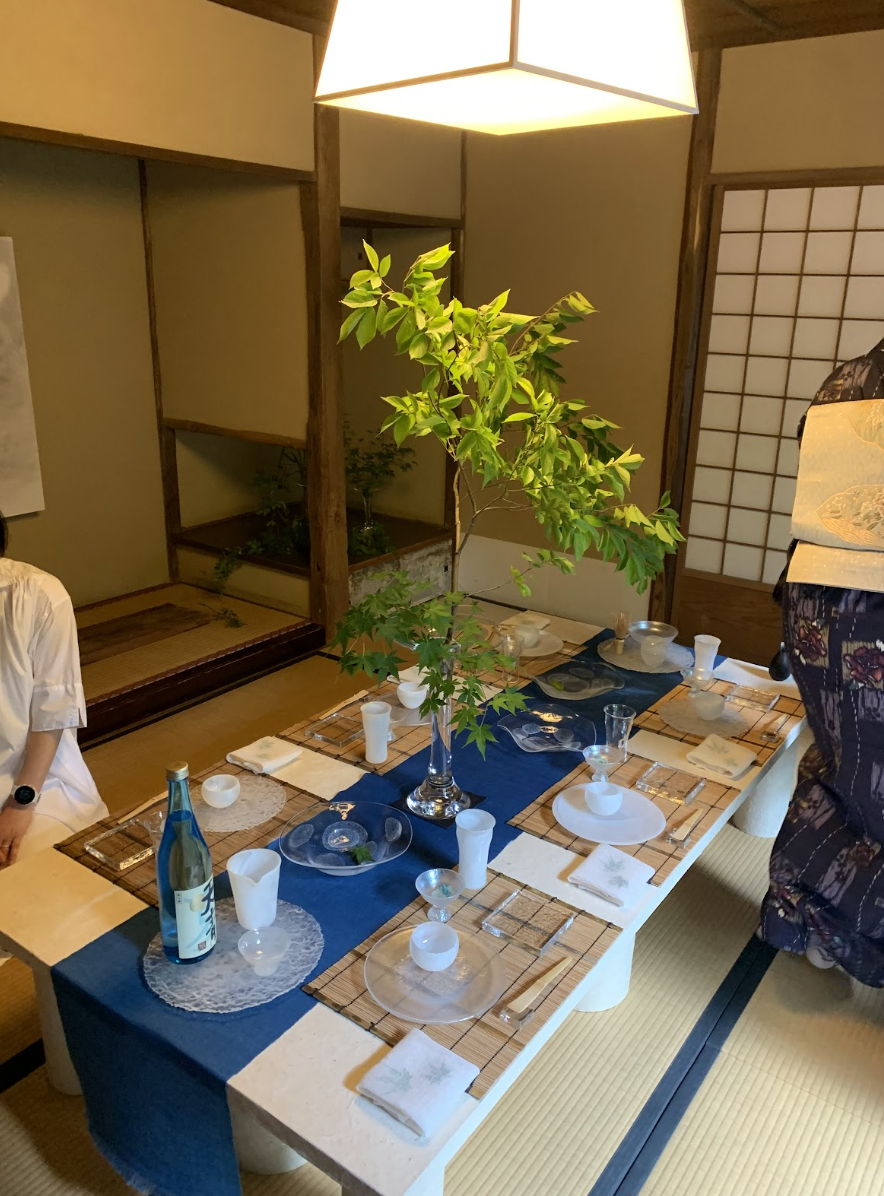
Figure: Quick tea break while exploring Sankeien Garden
Apart from tea ceremonies, Sankeien Garden also regularly hosts seasonal events, including soba making, handicraft experiences, and meditation (zazen) experiences. Limited-time events may also allow visitors to experience a traditional tea ceremony within a preserved building that is usually off-limits to the public, such as Rinshunkaku. Event information is available on their official website.
Barrier Free Information: Sankeien Garden is wheelchair-accessible. While the paths may not be paved, there are various ramped alternatives for steps and stairs. Wheelchair rentals and accessible toilets are also available at the Garden. For more information, please visit: https://www.yokohamajapan.com/accessibility/spot/details.php?sid=87
Shomyo-ji Temple & Kanazawa-Bunko Museum
Address: 212-1, Kanazawa-cho, Kanazawa-ku, Yokohama, 236-0015
Admission Fee: JPY250 for the Kanagawa Prefectural Kanazawa-Bunko Museum.
Established in 1267, Shomyo-ji is a historic Buddhist temple with long historical roots. The Temple is known for its Jodo-style Pure Land Garden, traditionally meant to physically replicate the Western Paradise (Pure Land) of Amida Buddha on earth. The Garden also features a central Ajigaike Pond (a reed pond) and two red bridges, forming part of the three-dimensional mandala symbolically guiding the mind towards enlightenment.
Shomyo-ji Temple is also a popular site amongst local photographers, who travel to capture the seasonal cherry blossoms in spring and yellow irises in summer. However, English support is limited within the temple grounds.
Visitors should also drop by the Kanagawa Prefectural Kanazawa-Bunko Museum, which is also located on the temple grounds. The Museum was a former samurai family library, now exhibiting national treasures like books, historical documents, paintings, and Buddha statues dating back to the Kamakura period. The “Shomyoji Buddhist Scriptures and Kanazawa Bunko Documents”, a designated national treasure of Japan, is also on display at the Museum. English support is also available in the form of pamphlets.
Barrier Free Information: The Kanazawa-Bunko Museum is wheelchair friendly, with ramps installed at the Museum’s main entrance. Similarly, wheelchair rentals and accessible toilets are also available on-site. For more information, please visit: https://www.yokohamajapan.com/accessibility/spot/details.php?sid=84
Tokozen-ji Temple
Address: 2-40-8 Kamariya-minami, Kanazawa-ku, Yokohama-City 236-0045
Admission Fee: N.A.
Established in the 1200s, Tokozen-ji is one of the oldest Zen Rinzai sect temples in Japan. The temple is dedicated to Yakushi-Nyorai, the Buddha of medicine and healing. The temple’s principal image of Yakushi-Nyorai, which is a small wooden statue dating back to the 13th century, has also been recognised as a cultural asset of Yokohama City.
Tokozen-ji also offers monthly zen meditation (zazen) sessions, held mainly in Japanese. However, brief guidance in English is available, alongside opportunities for a short Q&A session with the temple’s priests. For business travelers, a zazen session is a calming, authentic Japanese experience that may be useful in offering a much-needed break between packed meeting schedules. Beginners are encouraged to arrive earlier to go through a brief orientation and introduction before the session. Advance reservations are required.
Barrier Free Information: Unfortunately, Tokozen-ji Temple does not have a wheelchair-accessible entrance. For visitors with mobility difficulties, it is possible to participate in the zazen sessions while seated on a chair.
History and Crafts
Yokohama Silk Museum
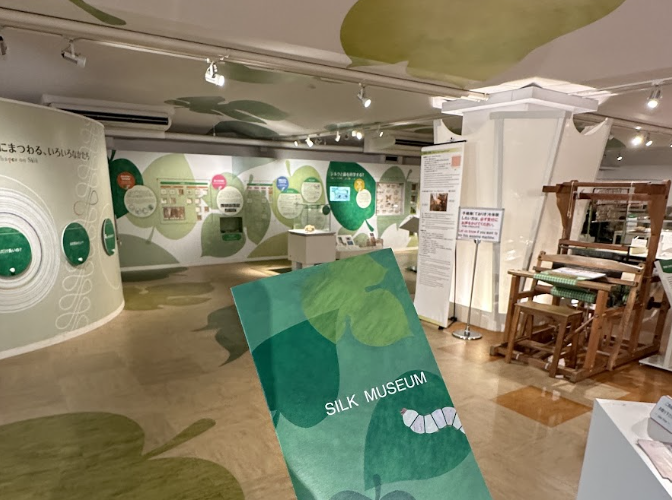
Address: Silk Center, 1, Yamashita-cho, Naka-ku, Yokohama, 231-0023
Admission Fee: JPY 500
The Yokohama Silk Museum traces Yokohama’s history, highlighting Yokohama’s role as a major silk export hub. Precious clothing crafts, such as kimono dating back to the Edo period, are also on display at the Museum. The Silk Museum is also located close to the Yokohama cruise terminal (Osanbashi Pier), making it a perfect location for cruise visitors looking for a quick, yet educationally fulfilling, shore excursion stop. It is also within easy reach of Yamashita Park and the Yokohama waterfront, thus fitting neatly into a short layover.
At the Silk Museum, visitors also get to learn more about the processes of silk production, from cocoon to thread. Live silkworms, which are being raised at the Museum, are also exhibited all year round, with displays allowing visitors to trace the silkworms’ life cycles and their transition into silk production.
The Silk Museum also touches on the science and technology of silk production. Action-based exhibits demonstrate the mechanisms of various machinery and looms, alongside fabric displays of kimonos featuring various textile materials and dyeing methods (e.g., yuzen dyeing, tie-dyeing, plant-based dyeing). Some of these displays are interactive, allowing visitors to touch and feel the differences in textures.
Interested visitors may even try their hand at machine weaving and other hands-on experiences offered by the Museum. The Museum’s gift store also stocks unique silk-themed souvenirs, perfect for Japan souvenir shopping, such as silk neckties and ukiyo-e print postcards with silk work. English support is available at the Museum, in the form of pamphlets.
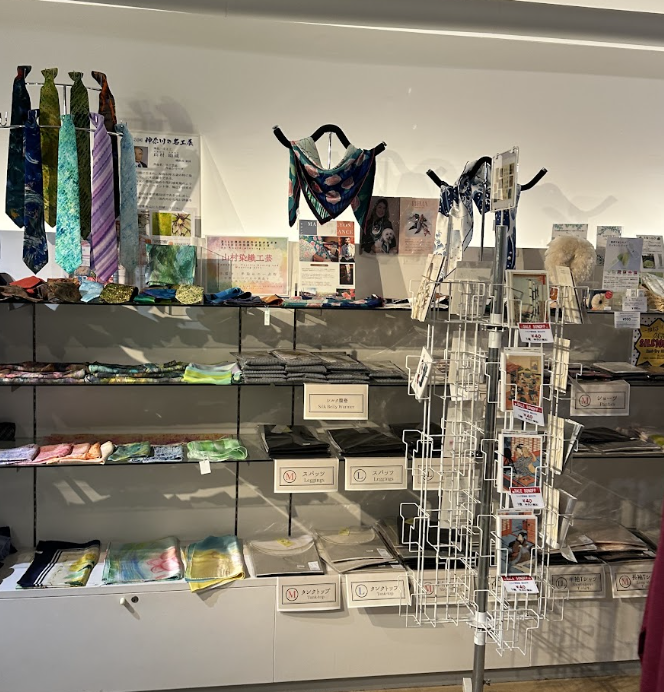
Figure: Silk-themed souvenirs at the Silk Museum’s gift shop
Barrier Free Information: The Silk Museum is wheelchair friendly, with elevator access and wheelchair stair-lift. Wheelchair rentals are also available, with an accessible toilet located on the first floor of the Silk Center Building. For more information, please visit https://www.yokohamajapan.com/accessibility/spot/details.php?sid=4
Nihon Minka-en Japan Open Air Folk House Museum
Address: 7-1-1 Masugata, Tama-ku, Kawasaki City, Kanagawa Prefecture, 214-0032, Japan
Admission Fee: JPY 550
Located in Kawasaki City, a short trip from Yokohama, the Nihon Minkaen Folk House Museum houses 25 preserved Edo-period folk houses, relocated from other areas of Japan. The Museum comprises five areas, with relocated buildings categorised according to their original location. Each of these buildings are attributed to different types of professions, providing visitors with deeper insights about day-to-day life during the Edo period.
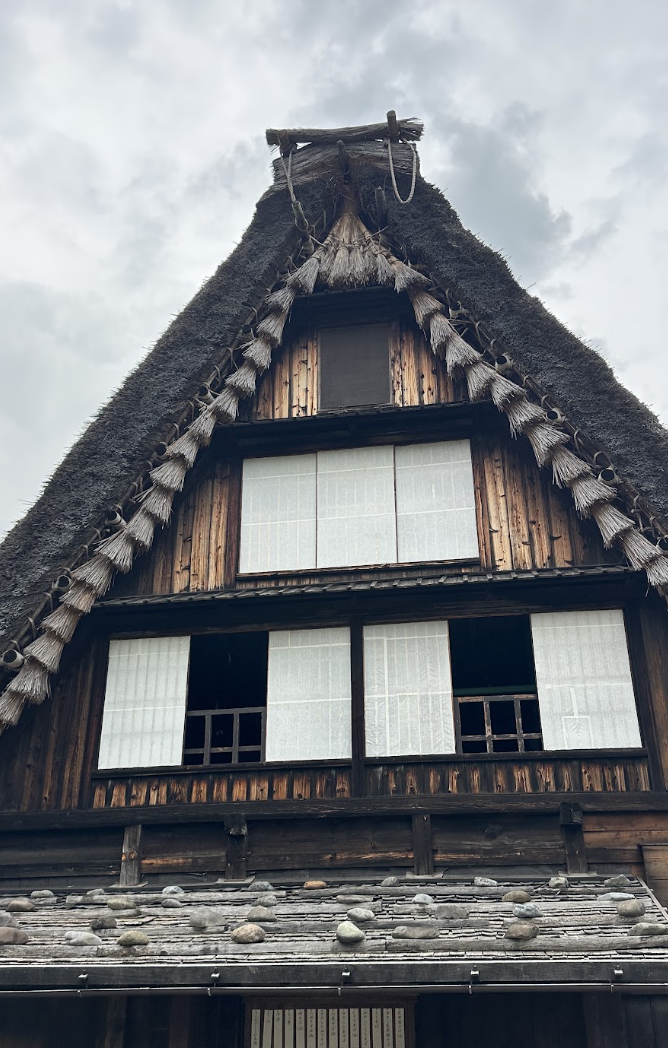
Figure: Gassho-zukuri Farmhouse, relocated from Shirakawa-go
Visitors can look forward to exploring various traditional buildings, including farmhouses from Shirakawa-go, samurai houses, and even a kabuki stage. Notably, the Folk House Museum also has a gassho-zukuri farmhouse relocated from Shirakawa-go, uniquely identified by its steeped thatched roofs and no-nail construction. It is a great way to see a UNESCO World Heritage-style village, without leaving the Tokyo-Yokohama region.
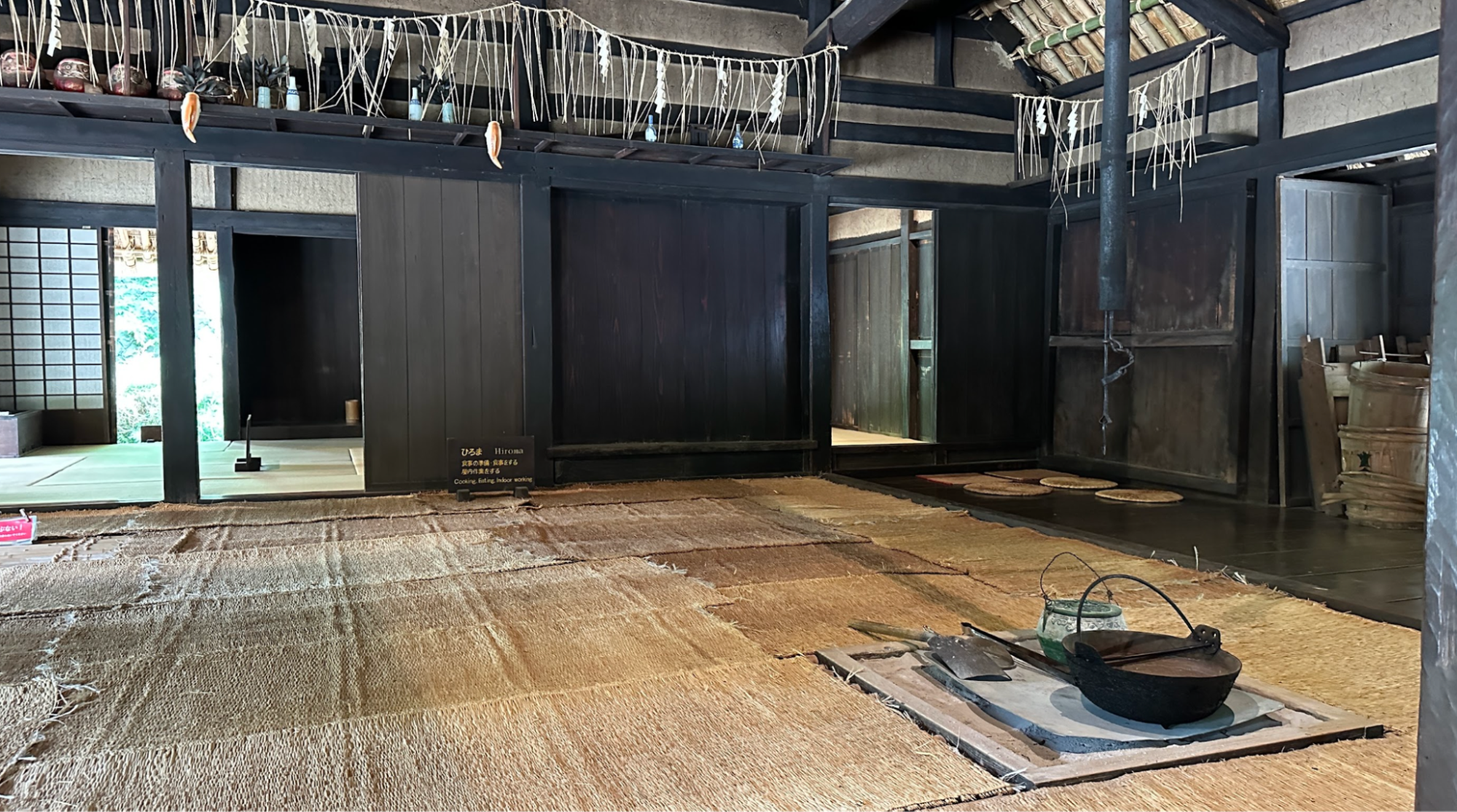
Figure: Interior of a preserved building at the Folk House Museum
It is possible to enter and explore the interior of these preserved houses and buildings. Live demonstrations are also available in some of these buildings, allowing visitors to observe the processes of Japanese traditional handicrafts, such as straw and bamboo craft making. There are also live demonstrations related to historic preservation of the buildings, such as starting fires in fire pits to prevent mold from growing in the roofs during the summer. English support is also available at the Folk House Museum, in the form of display write-ups, pamphlets and digital guidebooks.
The Folk House Museum also hosts Indigo (aizome) Dyeing Experience Workshops, allowing participants to dye their own handkerchief or tote bag. Indigo (aizome) dyeing is one of the more popular traditional craft experiences in Japan, especially since participants get to bring home a unique, handmade souvenir. The workshop is held on a reservation-only basis, with additional charges applicable.
Barrier Free Information: The Folk House Museum is wheelchair friendly, with ramped alternatives to stairs and pathways, though some houses still have stepped entrances. The Folk House Museum is also located completely outdoors, with uneven paths that may pose challenges for individuals with accessibility challenges. Wheelchair rentals and accessible toilets are available within the museum grounds. More information (Japanese-only) is available at: https://www.nihonminkaen.jp/slopemap.html
Food and Drink
Kirin Beer Factory
Address: Kirin Brewery Co. Yokohama Factory, 1-17-1, Namamugi, Tsurumi-ku, Yokohama, 230-8628
Admission Fee: JPY 1000
Founded in Yokohama, the Kirin Brewery Company is one of Japan’s leading beer brands. At the Kirin Beer Factory, visitors can embark on a 90-minute guided tour within the factory’s facilities.
Known as the “KIRIN ICHIBAN Shibori Deliciousness Experience”, the tour introduces the brand’s history and factory facilities, allowing visitors to observe the raw ingredients used in beer production. Visitors will also get to observe production processes, viewing the factory’s fermentation tanks and packaging areas. The tour concludes with a 20-minute tasting session, where participants get to taste different flavours of Kirin’s ICHIBAN Draft Beer.
The guided tours operate on a strictly reservation-only basis. As slots tend to fill up quickly, early reservations are strongly recommended, especially during the GREEN×EXPO period. English support is also available, in the form of pamphlets and video subtitles.
Barrier Free Information: The Kirin Beer Factory is wheelchair friendly, with accessible toilets and wheelchair rentals available on-site. For more information, please visit https://www.yokohamajapan.com/accessibility/spot/details.php?sid=13
Shin-Yokohama Ramen Museum
Address: 2-14-21 Shin-yokohama, Kohoku-ku, Yokohama
Admission Fee: JPY 450
Most people have heard about the Cup Noodles Museum, but not so much the Shin-Yokohama Ramen Museum. Located just a short walk from Shin-Yokohama Station, the Ramen Museum is one of the best places to try authentic Japanese ramen in Yokohama.
Learn more about the history and culture behind Japanese Ramen at the first floor, including an exhibition showcasing how the designs of ramen bowls and packaging have evolved over time. Afterwards, head over to the Museum’s basement for restaurants offering a wide selection of ramen flavors, originating from different prefectures in Japan, such as Okinawa, Matsumoto, and Fukuoka. The restaurants are housed in a replica street of Shitamachi, the old town of Tokyo, providing visitors with a nostalgic and unique experience of eating ramen during the 1950s, the era when instant ramen was first invented.
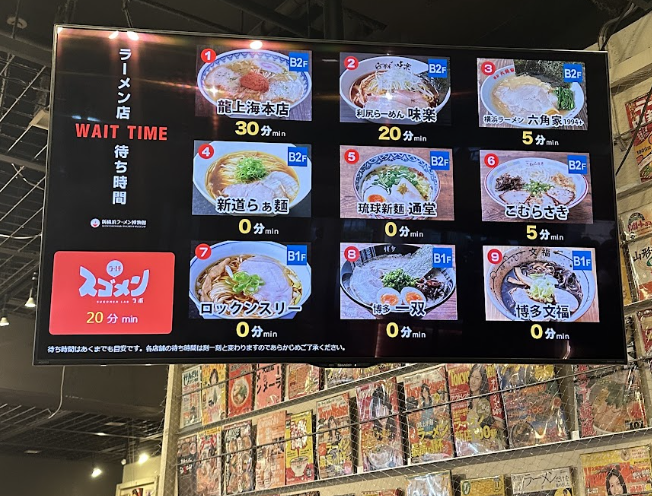
Figure: Digital screens indicating the wait times of each restaurant
There are a total of 7 permanent restaurants in the basement, alongside limited-time rotating restaurants. Visitors can look forward to tasting various flavours of ramen, including miso, shoyu (soy sauce), tonkotsu (pork bone), and shio (salt), all within the Ramen Museum, without traveling all over Japan. While there is a minimum one-bowl order, the restaurants also offer “mini bowls” of their signature dishes. There are also digital signs indicating the wait times for each restaurant.
Visitors can even participate in a “Ramen Making Class”, where they’ll get to knead the dough, flatten the dough, and finally cut the dough. Notably, the workshop uses the traditional Japanese technique of “aodake-uchi”, which involves a heavy green bamboo pole during the ramen-making process. The experience is available on a reservation-only basis, and separate charges apply.
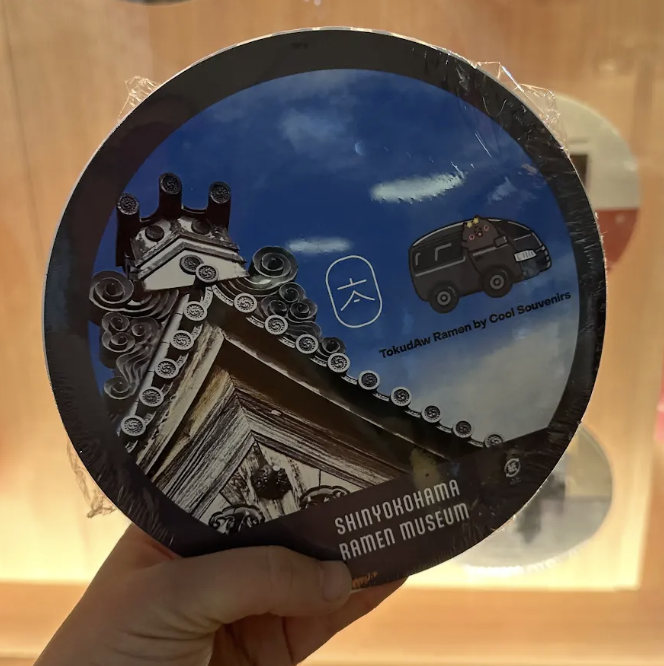
Figure: TokudAw’s custom ramen souvenir from the Shin Yokohama Ramen Museum
The Museum also offers an “RA-HAKU SUGOMEN LAB” experience, where you can bring home a customized cup ramen souvenir for an additional JPY600. Choose your favorite noodle type, soup base, and toppings, personalising your very own instant ramen. A total of 58 different designs are available for the cup lid, though visitors can also upload their own photos if they prefer.
Barrier Free Information: The Ramen Museum is wheelchair friendly, with elevator access to each floor. Accessible toilets and wheelchair rentals are also available on-site. For more information, please visit https://www.yokohamajapan.com/accessibility/spot/details.php?sid=17
Summary
| Experience | Area | Type |
|---|---|---|
| Sankeien Garden | Naka-ku, Yokohama | Traditional Japanese Garden & Tea Ceremony |
| Shomyo-ji Temple & Kanazawa Bunko Museum | Kanazawa-ku, Yokohama | Temple & Museum |
| Tokozen-ji Temple | Kanazawa-ku, Yokohama | Temple & Zazen Meditation |
| Yokohama Silk Museum | Naka-ku, Yokohama | Silk, Kimono, Dyeing & Craft Workshop |
| Nihon Minka-en Folk House Museum | Kawasaki | Folk Houses & Indigo Workshop |
| Kirin Beer Factory | Tsurumi-ku, Yokohama | Brewery Tour |
| Shin-Yokohama Ramen Factory | Kohoku-ku, Yokohama | Ramen Museum & Workshop |
Plan your Business Trip to Yokohama with TokudAw
TokudAw arranges private-vehicle itineraries in Japan, allowing business travelers to move quickly between scheduled meetings, GREENxEXPO 2027, attraction sites, and cultural experiences efficiently and smoothly, without relying on public transport. With TokudAw, travel around Japan and Yokohama without worrying about missing your next bus or train. We can also help arrange private shore excursions and port transfers for cruise passengers docking in Yokohama.
TokudAw also customises all itineraries according to your interests and work schedule, with daily pacings adjusted to fit your free time. We also handle logistics on your behalf, including airport transfers, ensuring your smooth and hassle-free business experience in Japan.