
What Type of Food To Serve at Corporate Events in Japan?
Source: Unsplash
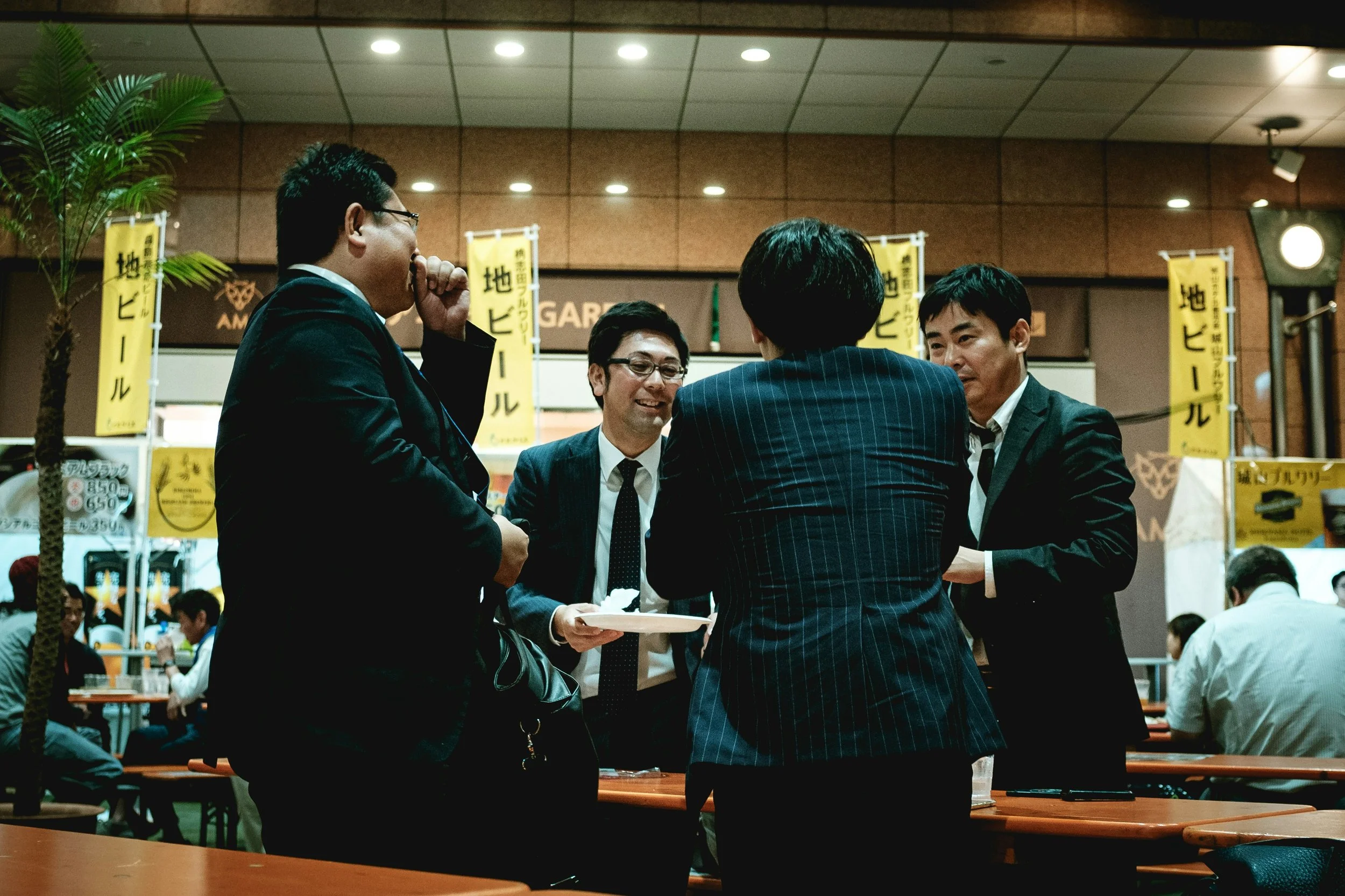
If you're planning a corporate event in Japan, choosing the right food is about more than simply feeding your guests. The best food to serve depends on the type of event, the schedule, and the attendees themselves. Bento boxes are commonly used for meetings and conferences, sushi and finger foods are popular at networking receptions, and buffet-style catering often works well for larger gatherings. Understanding these preferences can help create a smoother and more enjoyable experience for both Japanese and international guests.
One thing many international organizers notice when attending events in Japan is that food is often designed around convenience and presentation. Guests may be moving between presentations, networking with clients, or visiting exhibition booths, so meals are frequently designed to be easy to serve and easy to eat.
Bento Boxes for Meetings and Conferences
Source: Unsplash
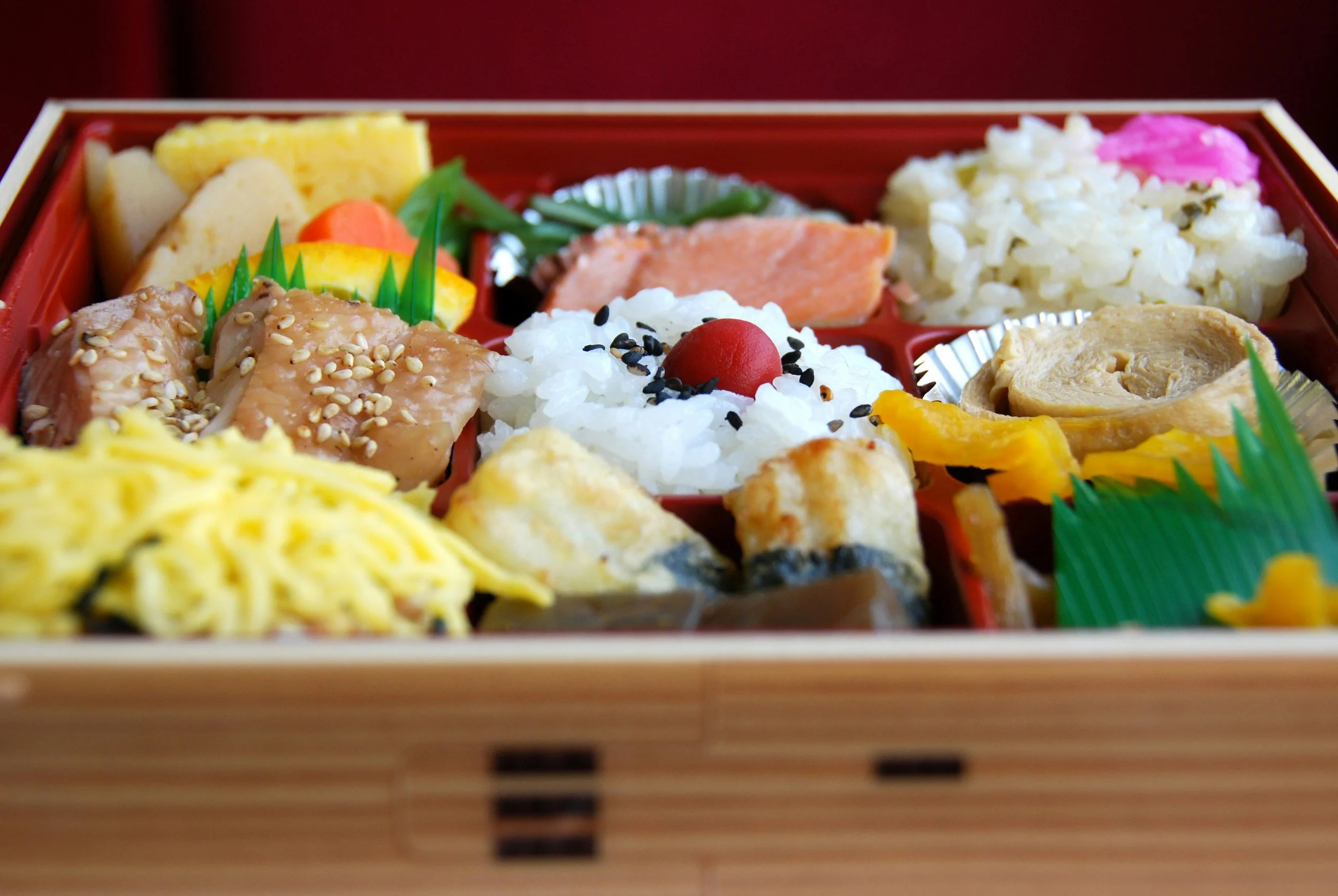
If you've ever attended a conference or seminar in Japan, you've probably seen attendees receiving neatly packaged bento boxes during lunch. Rather than sending everyone through a buffet line, organizers can distribute meals quickly so presentations and meetings stay on schedule.
A typical corporate bento may include:
Grilled salmon
Teriyaki chicken
Beef sukiyaki
Rice
Pickled vegetables
Tamagoyaki (Japanese omelet)
Seasonal side dishes
Bento boxes are especially common at:
Corporate meetings
Training sessions
Conferences
Board meetings
Seminars
For international attendees, many catering providers can also prepare vegetarian, vegan, halal, and allergy-friendly options when requested in advance.
Sushi Platters for Networking Events
Source: Unsplash
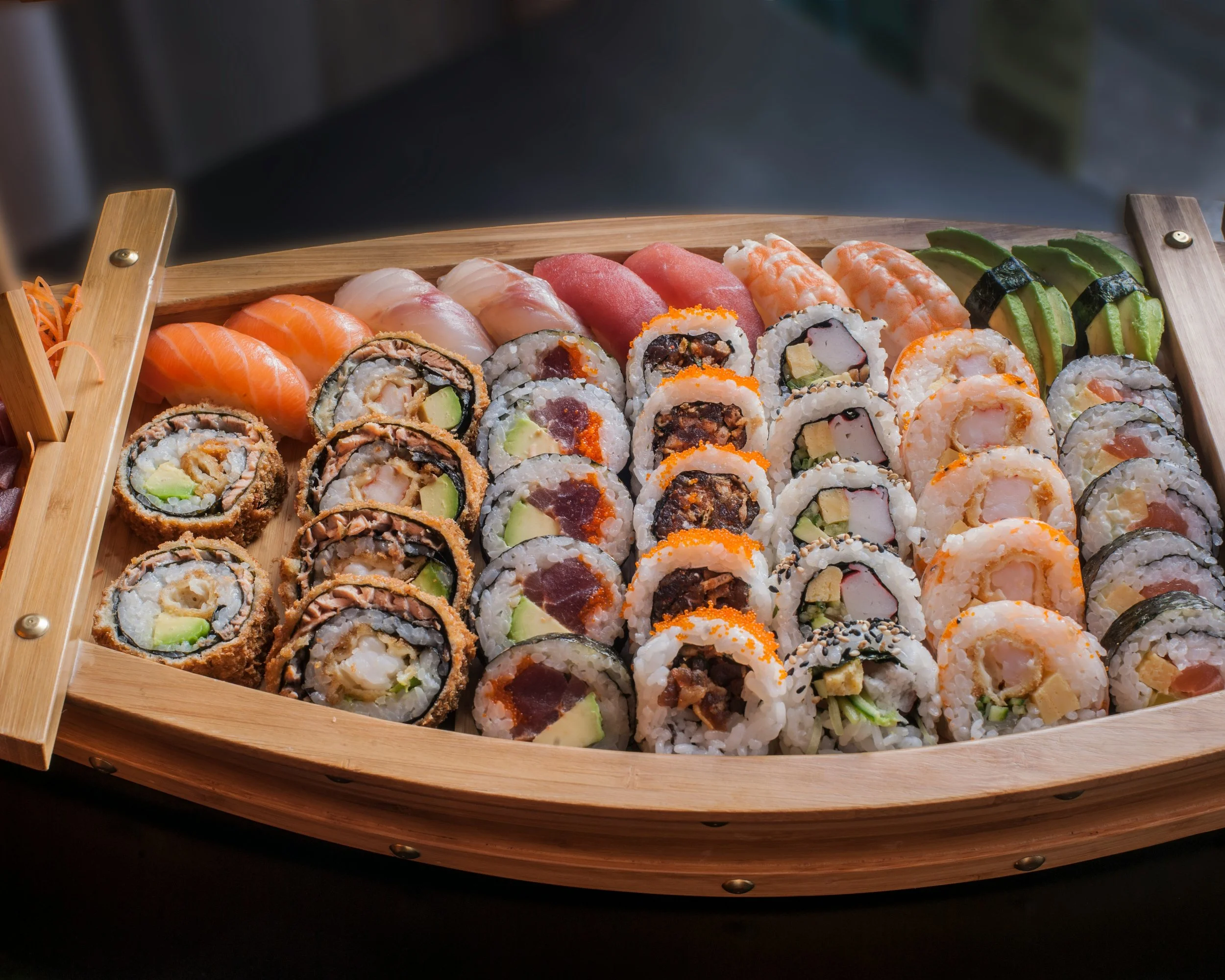
Sushi is often a popular choice for networking receptions and client events because it gives international visitors a memorable Japanese dining experience while remaining easy to eat during conversations.
Popular options include:
Nigiri sushi
Maki rolls
California rolls
Vegetarian sushi
Assorted sashimi platters
At many networking events in Tokyo, guests spend most of their time moving around the room and speaking with colleagues, potential clients, and business partners. Because of this, foods that can be eaten in a few bites are often preferred over full plated meals.
Finger Foods for Corporate Gatherings
For standing receptions, product launches, and evening networking events, finger foods are often one of the most practical catering options.
Common choices include:
Karaage (Japanese fried chicken)
Yakitori skewers
Mini rice balls (onigiri)
Edamame
Spring rolls
Mini sandwiches
Cheese platters
Seasonal fruit
Finger foods allow attendees to continue conversations without needing formal seating arrangements.
These options are commonly used for:
Trade show receptions
Product launches
Networking events
Company anniversary celebrations
Buffet Catering for Larger Events
When hosting a larger corporate event, buffet-style catering often provides the most flexibility.
Corporate buffets in Japan frequently combine Japanese and international dishes, allowing guests to choose what they are most comfortable eating.
Common buffet items include:
Sushi
Tempura
Roast beef
Pasta
Salads
Grilled fish
Vegetarian dishes
Desserts
Buffets are particularly popular for:
Company parties
International conferences
Incentive events
End-of-year celebrations
Offering a variety of cuisines can help accommodate international attendees while still showcasing Japanese hospitality.
Common Mistakes International Organizers Make
One mistake some international organizers make is assuming that a large sit-down meal is always the best option. In Japan, many corporate events prioritize efficiency and networking opportunities. Another common mistake is waiting until the last minute to discuss dietary requirements. While many catering providers can accommodate vegetarian, vegan, halal, and allergy-friendly requests, advance notice is usually necessary. It's also important to think about how guests will eat. Foods that can be enjoyed while standing or moving around are often more practical than meals that require extensive table service.
Don't Forget Dietary Requirements
When planning a corporate event in Japan, it's important to discuss dietary restrictions as early as possible.
Common requests include:
Vegetarian meals
Vegan meals
Halal meals
Gluten-free meals
Allergy-friendly options
Providing a variety of choices helps ensure all guests feel welcomed and included.
Beverage Options for Corporate Events
Food is only one part of the guest experience.
Popular beverage options at corporate events in Japan include:
Coffee
Tea
Mineral water
Sparkling water
Soft drinks
Juice
For evening receptions and networking events, organizers may also offer:
Japanese beer
Wine
Sake
Highballs
Non-alcoholic cocktails
Many companies now include a wider selection of non-alcoholic options to accommodate changing preferences among attendees.
Popular Catering Companies in Tokyo
Organizations planning events in Tokyo often work with local catering providers that specialize in corporate functions.
Examples include:
Many major hotels also provide catering and banquet services, including:
Larger venues such as Tokyo Big Sight and Tokyo International Forum can also assist organizers with approved catering vendors and hospitality services.
When selecting a provider, consider:
Event size
Dietary requirements
Delivery capabilities
Setup services
Multilingual support
Why Many Companies Use Local Event Support
Planning a corporate event in another country can be challenging, especially when coordinating venues, transportation, catering, and guest logistics.
Many international companies choose to work with local partners because they understand venue requirements, cultural expectations, and supplier networks. This can help reduce stress and avoid common planning issues.
Corporate Event Catering Comparison

Frequently Asked Questions
What food is most commonly served at corporate events in Japan?
Bento boxes are one of the most common options for meetings and conferences because they are convenient and easy to distribute.
Is sushi expected at business events in Japan?
Not necessarily, but it is often popular with international guests and works well at networking receptions.
Can catering companies accommodate dietary restrictions?
Yes. Many providers can accommodate vegetarian, vegan, halal, gluten-free, and allergy-friendly requests when given advance notice.
What beverages are typically served at corporate events?
Coffee, tea, water, and soft drinks are common during daytime events, while alcohol may be offered during evening receptions.
How far in advance should catering be arranged?
The earlier the better, especially if your event requires special dietary accommodations or multilingual support.
The best food for a corporate event in Japan depends on the type of event, the attendees, and the overall experience you want to create. Bento boxes work well for conferences and meetings, sushi and finger foods are ideal for networking events, and buffets offer flexibility for larger gatherings.
For companies visiting Japan, TokudAw can assist with venue recommendations, transportation coordination, event logistics, and customized support throughout the planning process. If you're looking for private transportation, flexible scheduling, and local expertise, contact TokudAw here to learn more about our corporate event and business travel services.
